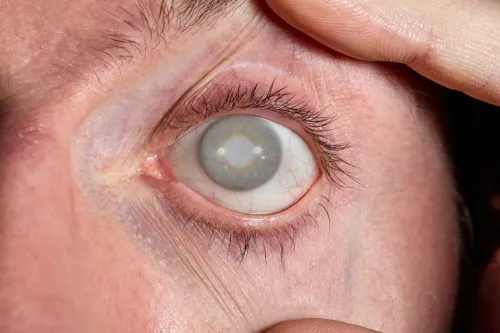
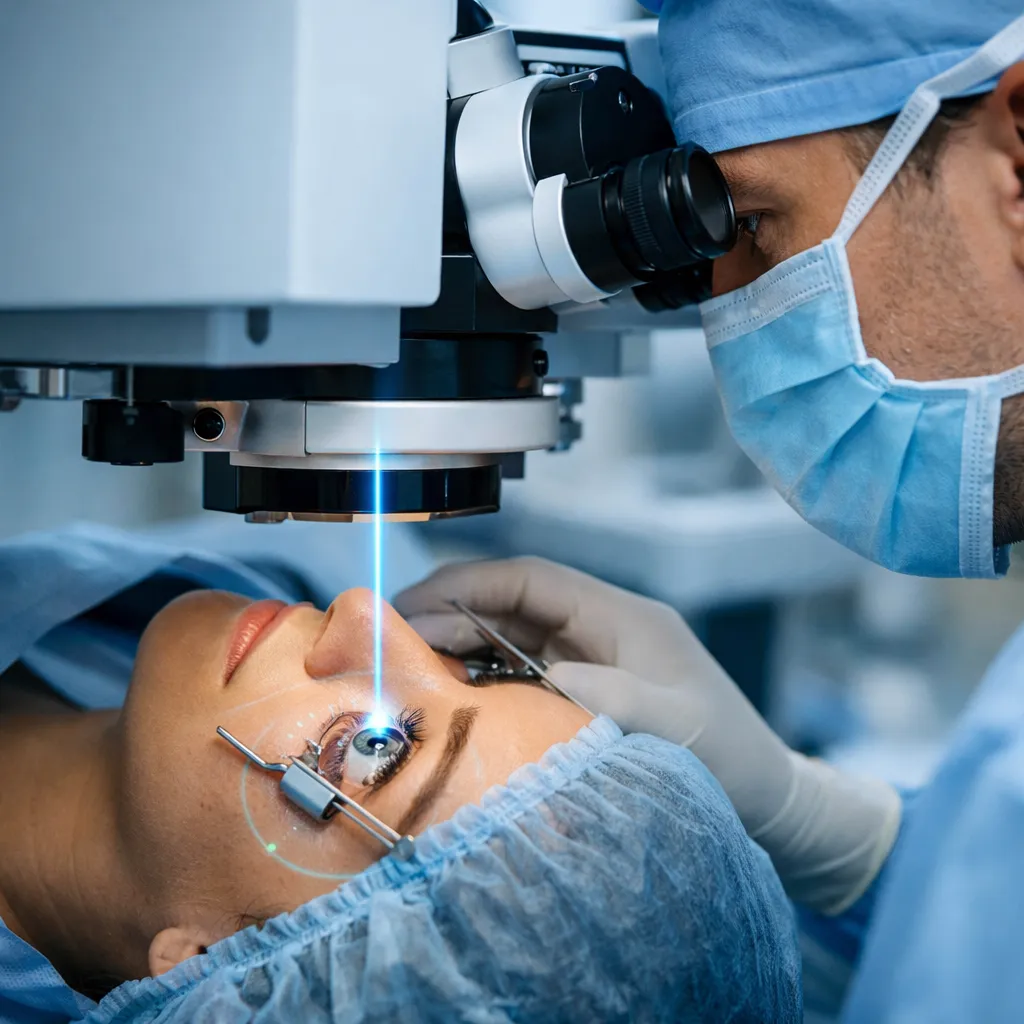
Laser treatment in ophthalmology is not limited to vision correction. It is frequently used to manage diseases where tissue precision and controlled energy delivery are required. Common indications include glaucoma, diabetic retinopathy, retinal tears, and secondary cataract formation.
At Dr. Jyotis Hospital in Chandigarh, laser therapy is selected based on disease mechanism rather than convenience. In glaucoma, laser trabeculoplasty is used to enhance fluid drainage and reduce eye pressure when medications are insufficient. This approach is particularly useful in patients who experience side effects from long-term eye drops.
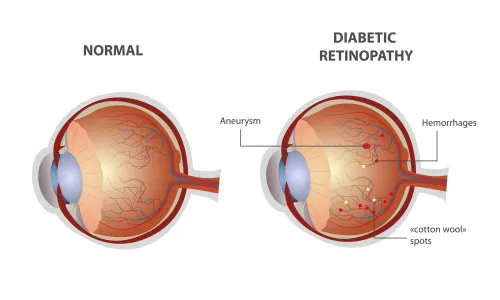
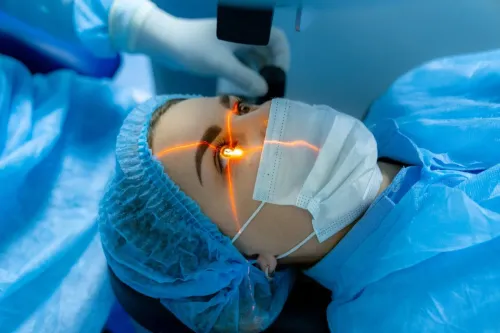
For retinal conditions, laser photocoagulation targets abnormal or leaking blood vessels. In diabetic retinopathy, lasers help reduce oxygen demand in damaged retinal areas, lowering the risk of bleeding or further vessel growth. Retinal tears may also be sealed using a laser to prevent progression to detachment.
Laser procedures are typically performed on an outpatient basis, but their effects evolve over time. Vision may not improve immediately, especially in disease-control procedures where the goal is stabilisation rather than enhancement.
If laser treatment has been suggested, understanding its role in controlling disease progression can help patients approach the procedure with clarity rather than apprehension.
Keywords