
Glaucoma is a group of eye conditions that can progressively damage the optic nerve. Because early glaucoma may produce no noticeable symptoms, many patients discover it during a routine eye examination. Once diagnosed, appropriate glaucoma treatment focuses primarily on reducing the risk of further optic nerve damage.
For patients in Zirakpur, Punjab, understanding how glaucoma is evaluated can help them make sense of different treatment recommendations.
Glaucoma Is More Than High Eye Pressure
Raised intraocular pressure is an important risk factor, but glaucoma cannot be understood through a single pressure reading.
Some people have elevated eye pressure without detectable optic nerve damage, while others develop glaucoma even when pressure measurements fall within ranges commonly considered normal.
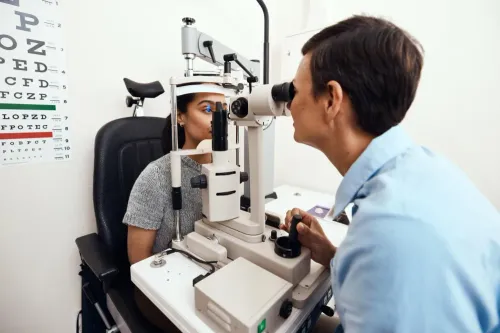
A specialist may therefore consider several findings, including:
- Eye pressure
- Optic nerve appearance
- Visual field testing
- Corneal thickness
- Drainage angle
- Family history
- OCT findings where appropriate
The overall pattern helps guide diagnosis and management.
Why Early Detection Is Important
Vision already lost through glaucoma-related optic nerve damage generally cannot simply be restored. Treatment is therefore aimed at preserving remaining vision by slowing further progression.
This makes regular follow-up particularly important.
People with a family history of glaucoma, increasing age, certain medical conditions or suspicious optic nerve findings may require more detailed evaluation.
Eye Drops Are Often the Starting Point
Prescription eye drops are commonly used to lower intraocular pressure.
Different medicines work through different mechanisms. Some reduce fluid production inside the eye, while others improve drainage.
Patients should use medication according to the prescribed schedule. Missing doses repeatedly can reduce the effectiveness of pressure control.
If side effects occur, the patient should discuss them with the treating doctor rather than stopping treatment independently.
When Laser Treatment May Be Considered
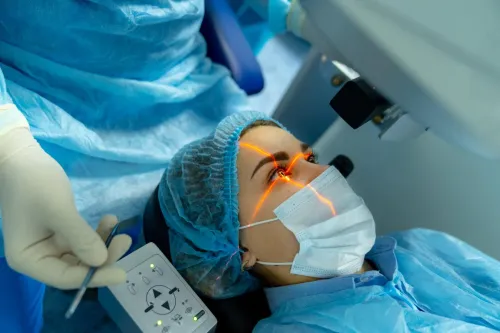
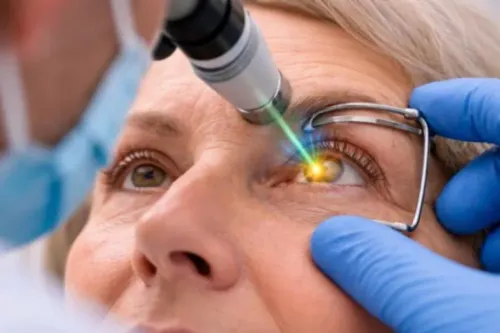
Laser procedures may be suitable for selected types of glaucoma.
The purpose is generally to improve fluid drainage or address a specific anatomical issue. Whether laser treatment is appropriate depends on the type and stage of glaucoma.
A recommendation should therefore follow a proper examination rather than being based solely on eye-pressure numbers.
Surgery May Be Needed in Certain Cases
When medicines and other measures do not provide sufficient pressure control, surgical procedures may be considered.
The objective is usually to create or improve a pathway for fluid to leave the eye, thereby reducing intraocular pressure.
Surgery does not eliminate the need for follow-up. Pressure and optic nerve status must still be monitored.
How to Evaluate a Glaucoma Care Plan
A useful management plan should answer several questions.
What is the likely type of glaucoma? What pressure level is the specialist aiming for? Has the optic nerve changed over time? How frequently should visual fields or imaging be repeated?
Patients should also understand how to use prescribed drops correctly.
Dr. Jyotis Hospital offers eye evaluations for patients in Zirakpur requiring assessment of raised eye pressure and suspected glaucoma. Treatment decisions should be based on the complete clinical picture and monitored over time.
Glaucoma management is usually a long-term process rather than a one-time intervention. Consistent medication use, scheduled testing and specialist follow-up are central to protecting remaining vision.
Keywords