Some people notice that vision becomes cloudy again months or years after successful cataract surgery. This can understandably create concern that the cataract has returned. In many cases, however, the problem may be posterior capsule opacification, a condition that can often be treated using a YAG laser.
For patients in Chandigarh who have previously undergone cataract surgery, understanding this condition can help distinguish it from a new cataract.
Why Cloudiness Can Develop After Cataract Surgery
During cataract surgery, the cloudy natural lens is removed and an artificial intraocular lens is implanted.
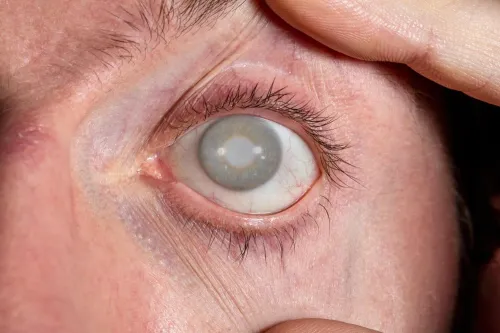
A thin capsule is intentionally retained to support the artificial lens. Over time, cells may cause the back portion of this capsule to become cloudy.
This is called posterior capsule opacification.
It is sometimes informally described as a secondary cataract, but the original cataract itself has not grown back.
What Symptoms Can It Cause
Posterior capsule opacification may produce symptoms similar to those experienced before cataract surgery.
These can include:
- Gradually blurred vision
- Increased glare
- Reduced contrast
- Difficulty reading
- Halos around lights
- Duller visual quality
An eye examination is needed because similar symptoms can also arise from retinal, corneal or optic nerve conditions.
How YAG Laser Treatment Works
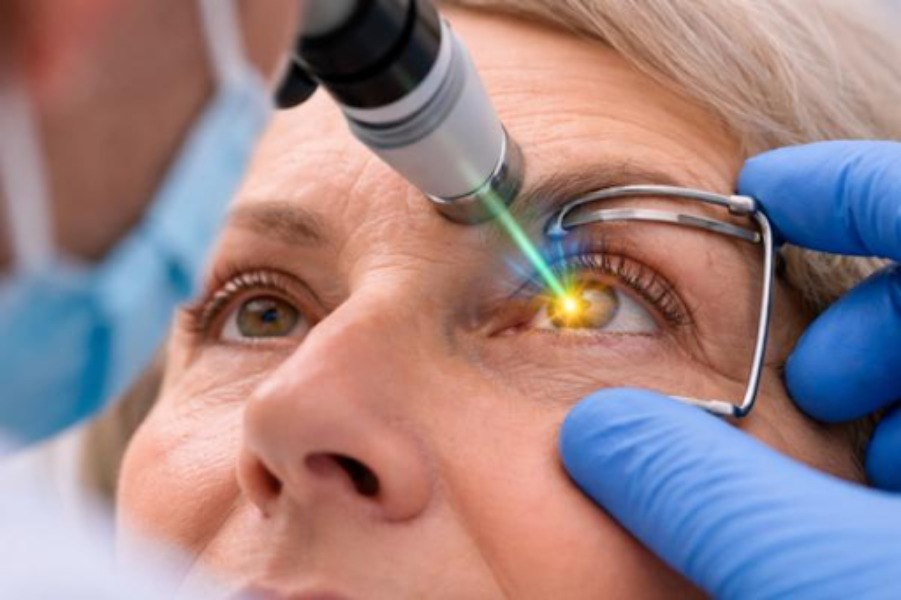
YAG laser capsulotomy creates a small opening in the cloudy portion of the posterior capsule.
The opening allows light to pass more clearly through the visual pathway.
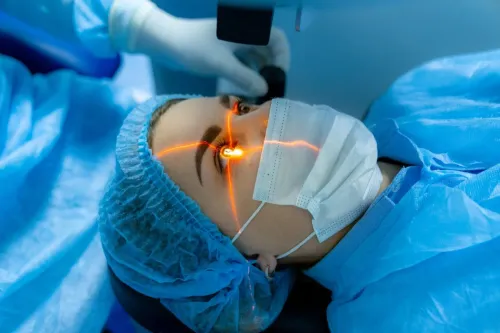
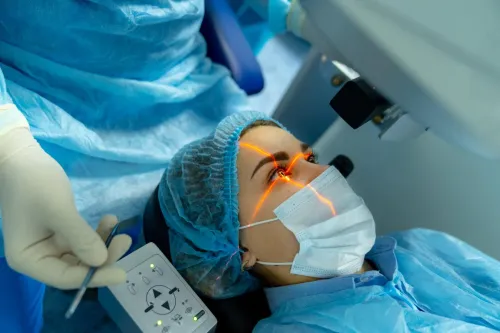
The procedure is generally performed in an outpatient eye-care setting. Anaesthetic eye drops may be used, and the patient sits at a laser machine while treatment is carried out.
The actual laser application is typically brief, although assessment and preparation require additional time.
Is Everyone With Blurred Vision After Cataract Surgery Suitable
No.
The first step is determining why vision has deteriorated. If posterior capsule opacification is responsible and the cloudiness is affecting useful vision, laser treatment may be considered.
If another condition is causing the symptoms, a different management plan may be necessary.
This is why patients should avoid assuming that every post-cataract visual problem requires laser treatment.
What Should Be Checked Before Treatment
A specialist may evaluate visual acuity, the artificial lens, the posterior capsule, eye pressure and retinal health.
Patients should mention previous retinal problems, glaucoma, eye surgery and current medications.
These details help the specialist assess the overall eye rather than focusing only on the cloudy capsule.
Follow-Up Remains Important
Patients receive individual instructions following treatment. Vision may improve quickly for some people, although experiences vary.
Temporary floaters can occur. Patients should understand which symptoms require urgent medical attention, particularly sudden significant vision loss, severe pain or unusual visual disturbances.
Dr. Jyotis Hospital provides eye assessment for patients in Chandigarh experiencing visual changes after cataract surgery. An examination can establish whether posterior capsule opacification is present and whether laser management is suitable.
Cloudy vision after cataract surgery should be investigated rather than automatically attributed to ageing. When posterior capsule opacification is confirmed, YAG laser treatment may provide a targeted way to restore a clearer visual pathway without repeating cataract surgery.
Keywords