
Children's healthcare needs change quickly from infancy through adolescence. Routine growth monitoring, nutrition guidance, vaccinations and timely management of illness all contribute to healthy development. Choosing a reliable child doctor can therefore be an important decision for families.
For parents in Zirakpur, Punjab, convenience matters, but the quality and continuity of paediatric care deserve equal consideration.
Look for Age-Appropriate Paediatric Care
Children are not simply smaller adults. Their symptoms, medicine doses, nutritional requirements and developmental milestones differ according to age and body weight.
A paediatric consultation should consider the child's age, growth pattern, medical history and current symptoms.
For infants and younger children who cannot describe their discomfort clearly, careful history-taking from parents becomes especially important.
Growth Monitoring Should Be Consistent
Height, weight and other growth parameters can provide useful information when tracked over time.
A single measurement may not tell the full story. Trends are often more informative because they show whether a child is following an expected growth pattern.
Parents should keep previous health records where possible so the doctor can compare measurements across visits.
Vaccination Records Matter
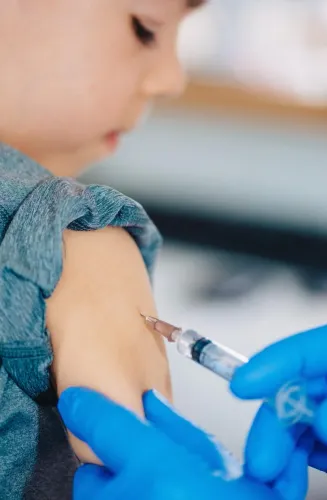
Immunisation is an important part of preventive paediatric care.
Parents should maintain an organised vaccination record and bring it to relevant appointments. If a scheduled dose has been missed, the appropriate next step should be discussed with a qualified healthcare professional rather than assumed.
Vaccination decisions should follow recognised medical recommendations and the child's individual health circumstances.
Communication Is an Important Selection Factor
A useful paediatric consultation should give parents enough opportunity to explain symptoms and ask questions.
Consider whether the doctor:
- Takes a clear medical history
- Explains the likely diagnosis
- Gives understandable medicine instructions
- Discusses warning signs
- Advises when follow-up is needed
- Reviews growth where relevant
- Addresses parental concerns without unnecessary alarm
Clear communication can improve adherence to treatment instructions at home.
Be Cautious About Unnecessary Medicines
Parents sometimes expect antibiotics whenever a child develops fever, cough or throat symptoms. However, many common childhood illnesses are viral and may not benefit from antibiotics.
Medicines should be selected according to clinical findings.
Parents should avoid giving leftover prescription medicines from a previous illness without professional guidance.
Know the Warning Signs
Certain symptoms deserve prompt medical evaluation.
These can include breathing difficulty, persistent lethargy, seizures, signs of significant dehydration, unusual drowsiness or a rapidly worsening condition.
Very young infants with fever may also require timely assessment.
Parents should seek urgent medical care when a child appears seriously unwell rather than waiting for a routine appointment.
Continuity Can Make Paediatric Care Easier
Seeing a provider familiar with a child's previous illnesses, allergies, growth and vaccination history can make future consultations more efficient.
Dr. Jyotis Hospital provides paediatric consultations for families in Zirakpur seeking assessment of common childhood health concerns and preventive care needs.
When choosing a child doctor, parents should look beyond proximity alone. Clinical assessment, communication, preventive guidance, continuity and clear follow-up instructions are practical indicators of dependable paediatric care.
Keywords