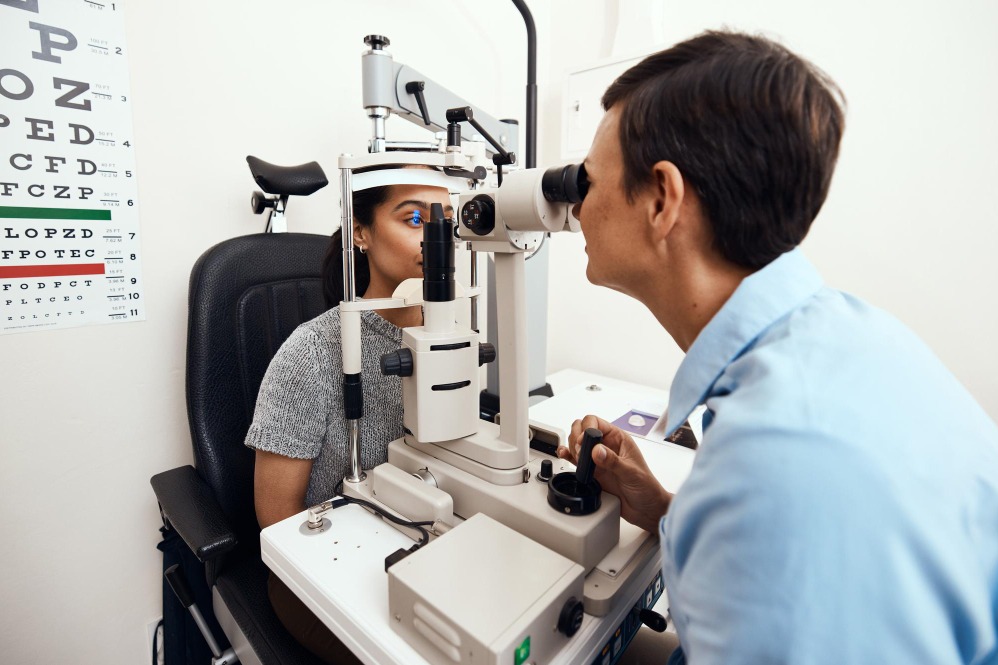
When vision becomes blurred, many people assume they simply need a new spectacle prescription. Refractive error is certainly common, but a complete eye assessment may involve much more than reading letters from a chart. Computerised eye testing can provide objective measurements that support accurate evaluation of refractive status and other aspects of vision.
For patients in Mohali, Punjab, understanding the role of modern eye-testing equipment helps clarify why a professional examination can involve several different tests.
What Does Computerised Eye Testing Mean
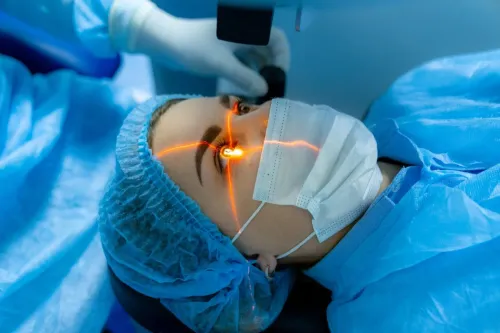
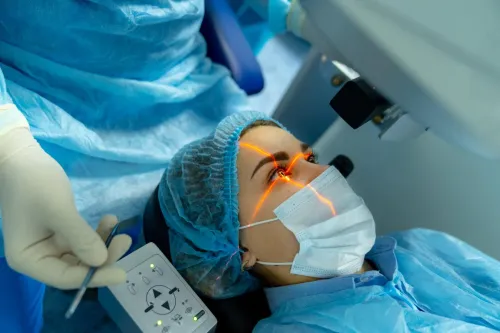
The term generally refers to instrument-assisted measurements used during an eye examination.
An autorefractor, for example, estimates how light is focused by the eye and provides an objective starting point for spectacle-power assessment.
Other computer-assisted instruments may be used to measure corneal curvature, eye pressure or visual fields depending on the clinical need.
These technologies support the examination, but they do not replace professional interpretation.
Is a Machine Reading Enough for Spectacles
Usually, no.
An autorefractor can provide a useful estimate of refractive error, but the final prescription often requires subjective refraction. During this stage, different lens combinations are compared based on what the patient sees most clearly and comfortably.
Factors such as age, occupation, previous prescription and visual requirements can influence the final recommendation.
This is particularly important for people who spend long hours reading or using digital devices.
When a Detailed Eye Examination Is Useful
An eye assessment should be considered when there is:
- Persistent blurred vision
- Frequent squinting
- Difficulty reading small print
- Headaches associated with visual tasks
- Problems seeing distant objects
- Increased glare
- Difficulty shifting focus
- A noticeable change in existing spectacle power
Children with visual difficulties may also need appropriate testing because they may not always recognise or describe blurred vision accurately.
Eye Testing Can Reveal More Than Spectacle Power
Clear vision depends on several parts of the eye working properly.
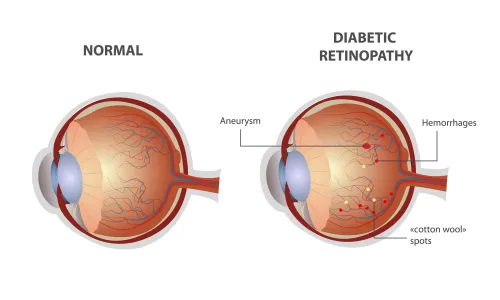
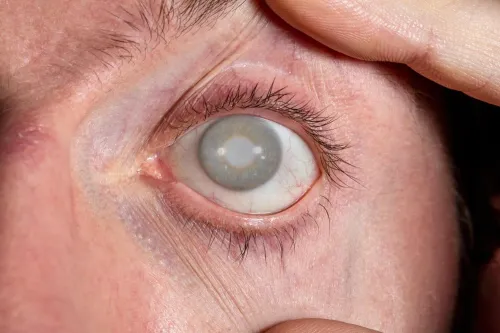
A person can have an accurate spectacle prescription and still experience poor vision due to cataracts, retinal disease, corneal problems or optic nerve disorders.
A comprehensive assessment may therefore include examination of the front and back of the eye when clinically indicated.
This distinction is especially important when vision does not improve as expected with corrective lenses.
Digital Screen Use Deserves Context
Extended computer and smartphone use can contribute to symptoms such as eye strain, dryness and temporary focusing discomfort.
Good visual habits can help. These include taking regular breaks, maintaining an appropriate viewing distance, reducing unnecessary glare and ensuring suitable room lighting.
Persistent symptoms should still be evaluated because not every visual complaint is caused by screen exposure.
Choosing a Place for Eye Testing
Patients evaluating an eye-care facility should consider whether testing is accompanied by professional assessment rather than relying only on automated measurements.
It is useful to ask whether the examination can be expanded when symptoms suggest an underlying eye condition.
Dr. Jyotis Hospital provides eye assessments for patients in Mohali, including evaluation of refractive concerns and other visual complaints where appropriate.
Computerised measurements have made eye testing efficient and informative, but technology works best when combined with clinical examination and patient feedback. If vision has changed noticeably, a comprehensive assessment can help distinguish a routine spectacle issue from a condition requiring further investigation.
Keywords