Diabetic retinopathy can damage the retina long before you notice blurred vision, pain, or difficulty reading. You will learn which vision changes need urgent attention, what a retina checkup actually involves, and how diabetes duration, pregnancy, blood pressure, and glucose control change your screening schedule.
Key takeaways
- Retinal damage can begin before noticeable vision changes.
- Seek prompt care for new floaters, blurred vision, or dark areas.
- A dilated exam checks the retina beyond your central vision.
- Blood glucose control supports eye health but cannot replace screening.
What diabetic retinopathy does to the retina before symptoms appear
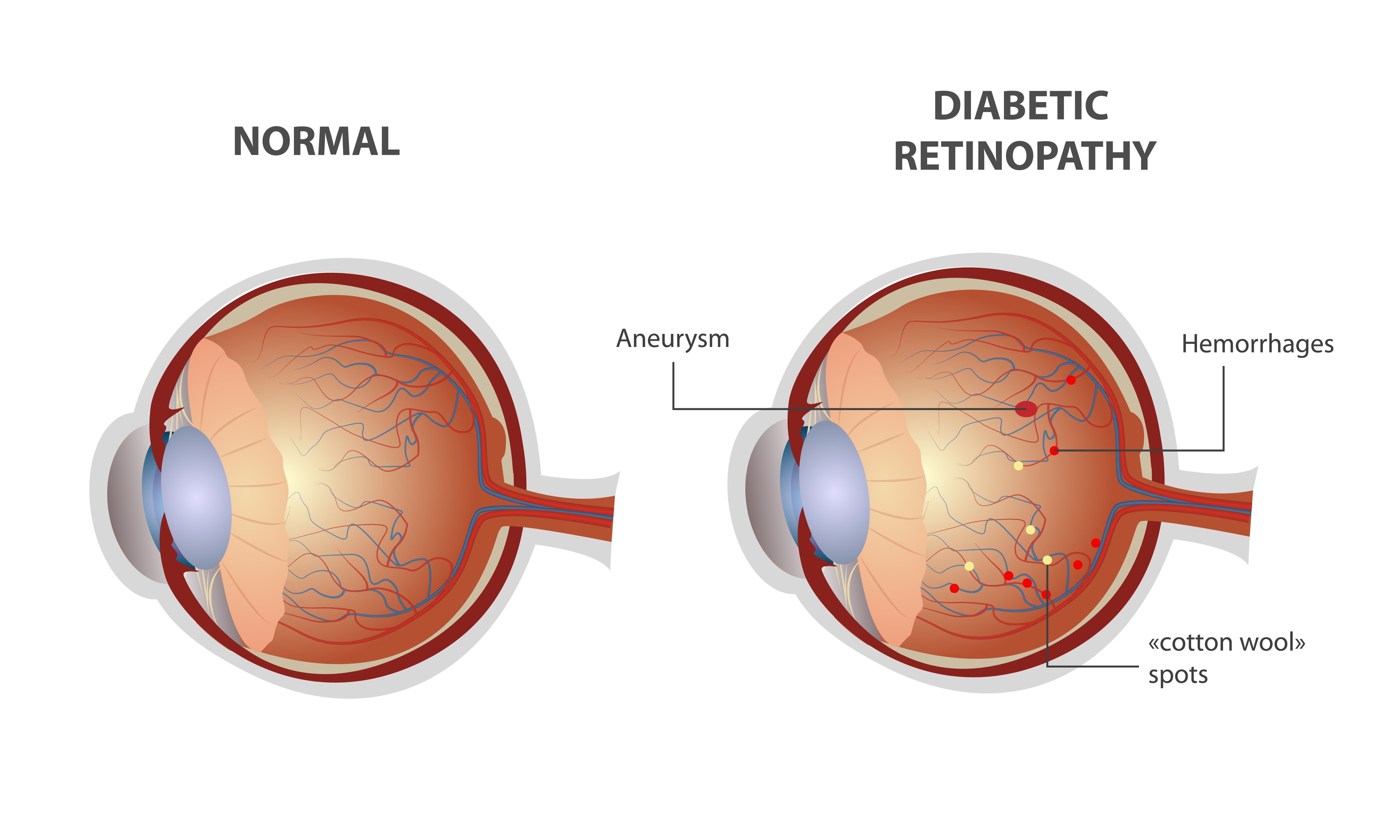
Prolonged high blood glucose injures the tiny retinal blood vessels that nourish the retina. Their walls weaken, leak fluid or blood, and restrict oxygen delivery. These changes can begin while your vision remains sharp because the damaged areas may lie outside the macula, the region responsible for detailed central sight.
The damage often develops in this sequence:
1. Nonproliferative diabetic retinopathy begins with small vessel leaks, blocked capillaries, and tiny retinal haemorrhages. Early disease may cause no noticeable symptoms.
2. Leakage near the macula can cause diabetic macular edema, in which fluid thickens the retina and eventually reduces central vision. This can happen at different stages, not only in advanced disease.
3. Prolonged oxygen shortage can drive proliferative diabetic retinopathy. Fragile abnormal blood vessels grow across the retinal surface, bleed into the vitreous, or pull on the retina and cause severe vision loss.
Clear vision therefore does not prove that the retina is healthy. You may not notice small haemorrhages, vessel closure, or early leakage until the damage affects the macula or causes bleeding. Waiting for blur, pain, floaters, or missing areas can miss a treatable stage.
A retina examination can detect these changes before your day-to-day vision changes.
The vision changes that deserve attention now
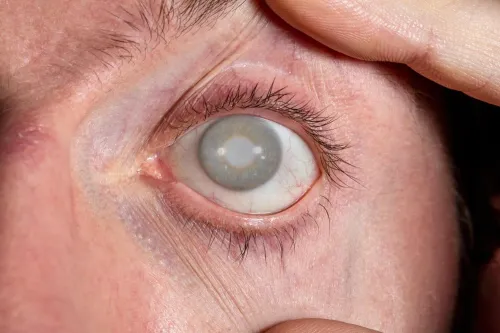
Diabetic retinopathy can reduce sharp central vision, distort straight lines, or make sight blurred and fluctuating when leaking fluid thickens the macula. Bleeding from fragile abnormal vessels can create floaters, haze, dark spots in vision, or sudden vision loss.
| Vision change | What it can signal | What to do |
|---|---|---|
| Gradual blurred vision or fluctuating vision | Macular swelling, changing blood glucose, or other eye disease | Arrange an eye assessment soon; do not wait for pain |
| New floaters, haze, or dark spots in vision | Bleeding into the vitreous from abnormal retinal vessels | Seek urgent eye assessment, especially if the change is sudden or increasing |
| Flashes, a curtain or shadow across your vision | Retinal traction or retinal detachment | Seek emergency eye care immediately |
| Sudden loss of part or all of your vision | Significant bleeding, detachment, or another sight-threatening problem | Obtain urgent assessment the same day |
Early disease can cause no noticeable change, so clear vision does not rule out retinal damage. Eye pain is not a reliable warning either.
Do not wait for a routine appointment if floaters suddenly multiply, flashes begin, a shadow spreads across your field of vision, or sight drops abruptly. These symptoms need prompt examination because delayed treatment can leave permanent loss, even when earlier disease caused only mild or no symptoms.
What happens during a diabetic retina checkup
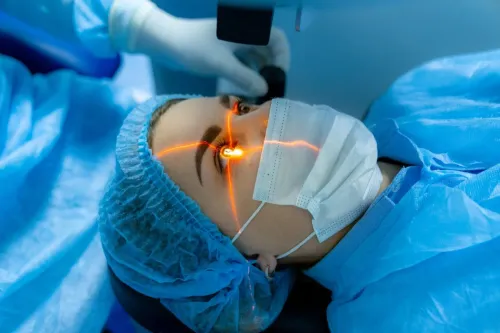
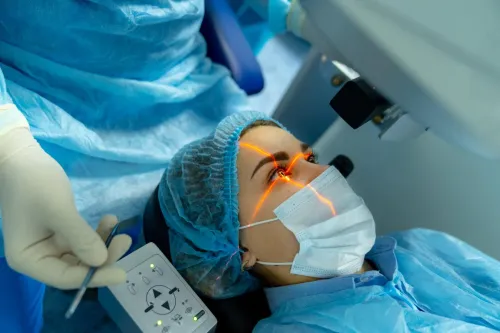
A diabetic retina checkup combines a visual acuity test with a dilated retinal examination, because clear letter reading does not exclude retinal damage. The clinician may also measure intraocular pressure to assess eye pressure, although that measurement does not diagnose diabetic retinopathy.
At Dr. Jyoti's Hospital, ask which imaging test matches the finding rather than assuming every visit needs every scan.
| Test | What it can reveal | What happens |
|---|---|---|
| Retinal photography | Damaged vessels, haemorrhages, cotton-wool spots, and abnormal new vessels | A camera records the back of the eye for examination and comparison |
| Optical coherence tomography (OCT) | Retinal thickening and diabetic macular oedema | Light-based cross-sectional images quantify swelling |
| Fluorescein angiography | Leaking vessels, blocked circulation, or abnormal vessel growth | Injected fluorescein dye highlights blood flow in retinal photographs |
| Dilated retinal examination | Widespread retinal damage, bleeding, swelling, and proliferative changes | Dilating drops allow the clinician to inspect the retina directly |
Plan for pupil dilation before you arrive:
- Bring sunglasses; bright light can feel uncomfortable after the drops.
- Do not schedule an important task immediately afterward. Near vision and focusing can remain blurred for several hours.
- Arrange transport if your vision stays blurred, you feel light-sensitive, or your clinician advises against driving.
- Tell the clinic about contact lenses, glaucoma, or previous reactions to dilating drops.
Related services
Eye Care / Ophthalmology Eye Checkup in Zirakpur Get a comprehensive eye checkup in Zirakpur at Dr Jyoti Hospital with experienced eye specialists. View service → |
Diabetology Diabetes Treatment in Zirakpur Manage diabetes effectively with expert care at Dr Jyoti Hospital. View service → |
When screening should begin and how follow-up changes
Type 1 diabetes requires a dilated retinal examination within five years of diagnosis. Type 2 diabetes requires screening at the time of the type 2 diabetes diagnosis because the disease may have been present unnoticed for years.
- Type 1 diabetes: Have the first type 1 diabetes eye exam within five years of onset, then follow the interval set by your eye-care professional.
- Type 2 diabetes: Have a dilated retinal examination when diagnosed, even if your vision is clear.
- Diabetes found during pregnancy: Confirm whether it is gestational diabetes or previously unrecognised type 1 or type 2 diabetes. Gestational diabetes alone does not usually require diabetic retinopathy screening; pre-existing diabetes requires an examination before pregnancy or during the first trimester.
Pregnancy can accelerate diabetic retinopathy. If retinal disease is present, arrange follow-up during pregnancy and for one year after delivery according to its severity.
Annual screening suits many adults, but shorter intervals are needed when retinopathy, diabetic macular edema, pregnancy, kidney disease, poor or changing glucose control, or uncontrolled blood pressure raises risk. A rapid improvement in glucose control can briefly worsen existing retinopathy, so coordinate medical and eye follow-up rather than delaying treatment.
People with no retinopathy and consistently controlled type 2 diabetes may qualify for screening every one to two years only after discussion with their eye-care professional.
Why diabetes control supports—but does not replace—retina checks
Better blood glucose control lowers the risk of diabetic retinopathy progression, but it cannot reliably reverse established structural damage. A normal examination is reassuring, not permanent clearance; retinal risk changes as diabetes and other health conditions change.
Risk is affected by:
- Blood glucose control: large or sustained glucose elevations damage retinal blood vessels.
- Blood pressure and diabetic retinopathy: high pressure increases stress on weakened vessels and raises progression risk.
- Cholesterol: abnormal blood lipids contribute to vascular damage.
- Kidney disease: diabetic kidney damage signals a higher risk of retinal disease.
Treatment follows retinal findings, not symptoms alone. Anti-VEGF injections commonly treat diabetic macular edema and proliferative retinopathy, but the underlying vascular problem can persist or recur, so repeated injections and monitoring are often needed. Laser photocoagulation remains useful for selected abnormal vessels, while vitrectomy may be needed for vitreous haemorrhage or traction.
After a normal examination, keep the follow-up appointment recommended by your eye specialist. Do not wait for blurred vision. Contact the clinic sooner if glucose or blood pressure control worsens, kidney disease develops, or you become pregnant, because these changes can alter the screening schedule.
Frequently asked questions
What does diabetic retinopathy do to the retina before symptoms appear?
High blood glucose damages tiny retinal blood vessels, causing leakage, bleeding, or reduced oxygen delivery before central vision changes.
Which vision changes need prompt attention?
Contact an eye specialist for new floaters, blurred or distorted vision, dark areas, flashes, or sudden vision loss.
What happens during a diabetic retina checkup?
The clinician checks visual acuity, examines the retina after pupil dilation, and may use retinal photography or optical coherence tomography.
When should diabetic retina screening begin?
People with type 1 diabetes usually need an eye exam within five years of diagnosis; people with type 2 diabetes need one soon after diagnosis. Pregnancy with diabetes requires earlier, more frequent assessment.
Can diabetes control replace regular retina checks?
No. Managing blood glucose, blood pressure, and cholesterol reduces risk, but retinal damage can progress without symptoms and still requires scheduled examinations.