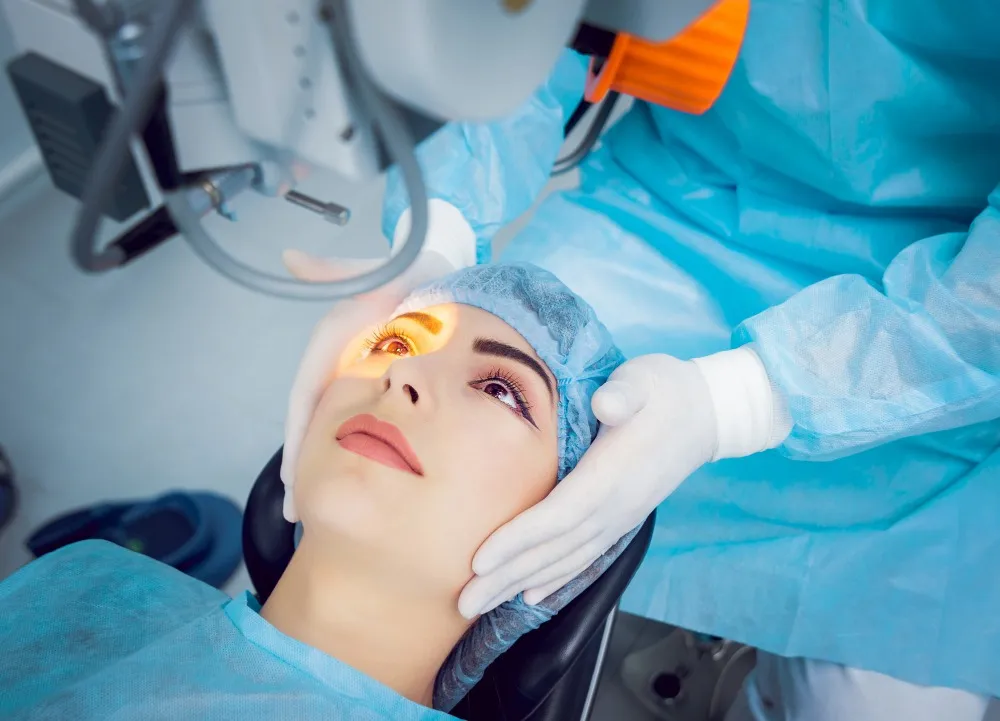
Advances in ophthalmology have transformed the way many eye conditions are treated. Today, laser treatment for eyes is used for a wide range of retinal disorders, glaucoma management, and certain postoperative procedures. While many people associate lasers only with vision correction, medical laser therapy serves several important purposes beyond reducing dependence on spectacles.
For residents of Chandigarh, understanding when laser treatment is appropriate can help patients make informed decisions if recommended by their eye specialist.
What Is Laser Treatment for Eyes?
Medical laser treatment uses focused light energy to target specific eye tissues with precision.
Depending on the condition being treated, laser procedures may:
- Seal leaking blood vessels
- Treat retinal tears
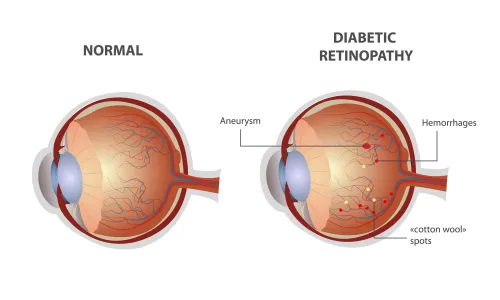
- Reduce complications from diabetic eye disease
- Lower eye pressure in selected glaucoma patients
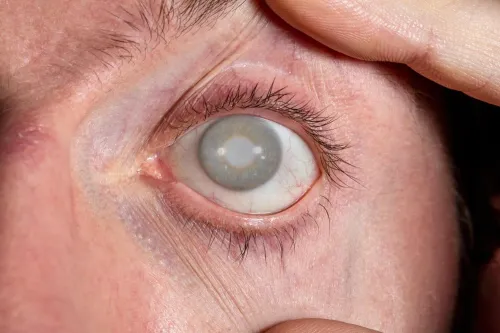
- Clear cloudiness after cataract surgery using a YAG laser
Each treatment is designed for a specific medical purpose rather than being suitable for every eye condition.
Conditions That May Benefit
Laser treatment is commonly recommended for:
- Diabetic retinopathy
- Retinal tears
- Retinal vein disorders
- Certain glaucoma cases
- Posterior capsule opacification
- Selected retinal abnormalities
The ophthalmologist determines whether laser therapy offers the most suitable option after a comprehensive examination.
What Happens Before Treatment?
Before recommending laser therapy, the doctor usually performs several diagnostic tests.
These may include:
- Visual acuity assessment
- Dilated retinal examination
- Eye pressure measurement
- Optical coherence tomography
- Retinal imaging
These investigations help identify the exact location and severity of the problem.
During the Procedure
Most laser treatments are completed without hospital admission.
The process generally involves:
- Applying anaesthetic eye drops.
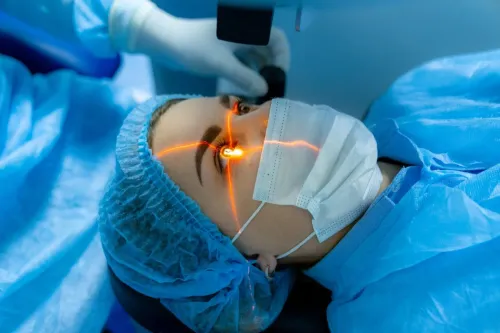
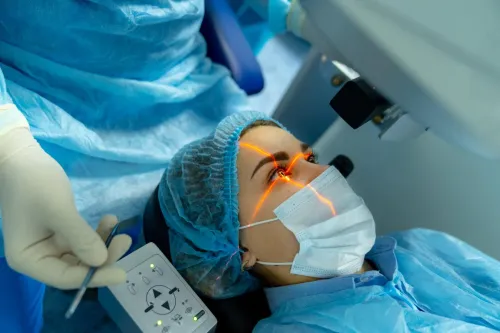
- Positioning the patient at the laser machine.
- Delivering controlled laser energy to the affected area.
- Observing the patient briefly before discharge.
Treatment duration varies depending on the condition being addressed.
Benefits of Laser-Based Eye Care
Modern laser technology offers several advantages.
These include:
- High treatment precision
- Outpatient procedure
- Minimal recovery time
- Reduced tissue disruption
- Lower risk of certain complications
- Ability to manage conditions before vision deteriorates further
However, laser treatment does not replace surgery in every situation, and some eye diseases require alternative management.
Following Medical Advice After Treatment
Recovery instructions differ according to the procedure performed.
Patients may be advised to:
- Attend review appointments
- Use prescribed medications
- Monitor for sudden changes in vision
- Control diabetes or blood pressure if applicable
- Continue regular eye examinations
Long-term follow-up remains important because some retinal conditions require ongoing monitoring.
Questions Worth Discussing
Before undergoing laser treatment, patients may ask:
- Why is laser treatment recommended?
- Are there alternative treatment options?
- What results should I expect?
- Will additional sessions be needed?
- How often should follow-up examinations be scheduled?
Understanding the purpose of treatment helps patients participate actively in their care.
Individuals looking for comprehensive ophthalmology services in Chandigarh may consult Dr. Jyotis Hospital, where laser procedures are supported by detailed diagnostic evaluation and personalised treatment planning. Early diagnosis combined with appropriate laser therapy can help preserve vision and reduce the risk of future complications.
Keywords