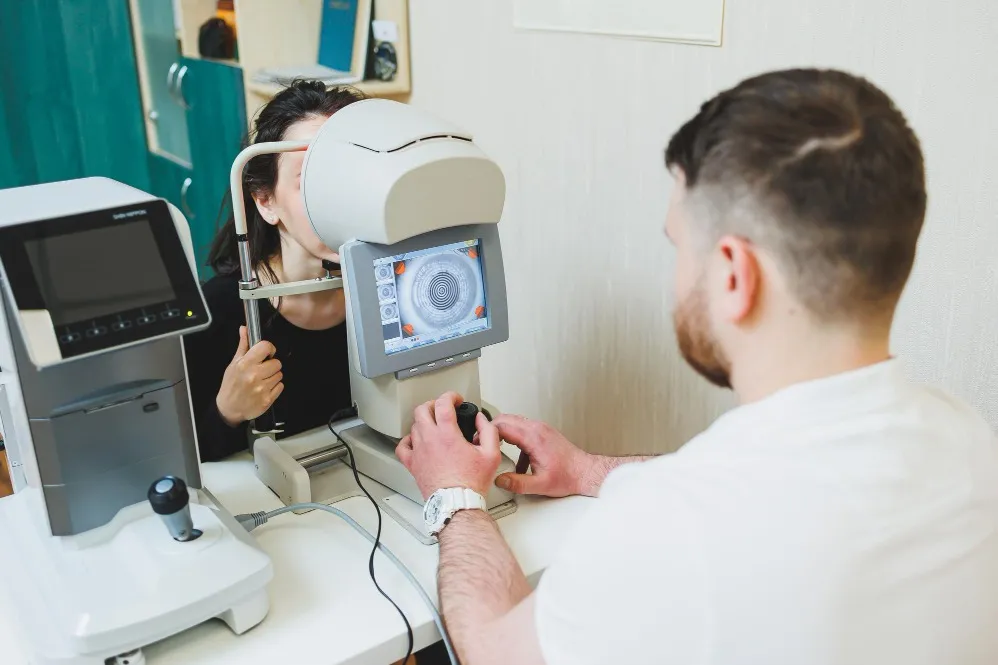
Clear vision plays an important role in everyday life, whether you are reading, driving, working on a computer, or enjoying time with family. However, many eye conditions develop gradually and may not show obvious symptoms during the early stages. This is why regular computerised eye testing has become an essential part of modern eye care.
Unlike traditional vision checks that primarily focus on reading letters from a chart, computerised eye testing uses advanced technology to evaluate different aspects of vision with greater precision. It helps eye specialists identify refractive errors, monitor changes in eyesight, and detect potential problems that may require further examination.
For individuals living in Zirakpur, where digital device usage continues to increase among children and adults alike, regular eye assessments can contribute to maintaining healthy vision over time.
What Is Computerised Eye Testing?
Computerised eye testing is an advanced diagnostic procedure that measures the eye's refractive power using digital instruments. The test estimates whether a person has conditions such as:
- Nearsightedness (Myopia)
- Farsightedness (Hyperopia)
- Astigmatism
- Presbyopia
The results provide an accurate starting point for an ophthalmologist or optometrist when determining the most suitable vision correction.
Although the equipment generates measurements automatically, the final prescription is confirmed after a comprehensive clinical examination.
Why Accurate Eye Testing Matters
Vision changes can occur gradually, making them difficult to notice. Many people continue using outdated glasses because they adapt to blurred vision over time.
Regular testing helps by:
- Detecting changes in prescription early
- Reducing eye strain during computer use
- Improving reading comfort
- Supporting safer driving
- Enhancing workplace productivity
- Identifying signs that require specialist evaluation
An accurate prescription can significantly improve day-to-day comfort while preventing unnecessary visual fatigue.
Who Should Consider Computerised Eye Testing?
Eye examinations are beneficial for people of all age groups.
Adults working long hours on digital screens often experience symptoms such as:
- Headaches
- Blurred vision
- Dry eyes
- Difficulty focusing
- Neck discomfort caused by visual strain
Children may require testing if they:
- Sit very close to the television
- Squint frequently
- Struggle in school
- Rub their eyes often
- Complain of headaches
Older adults should schedule regular eye examinations because age-related eye diseases become more common after the age of 40.
Conditions That May Be Identified During an Eye Examination
Although computerised testing mainly evaluates refractive errors, it often forms part of a complete eye examination that may help identify early signs of:
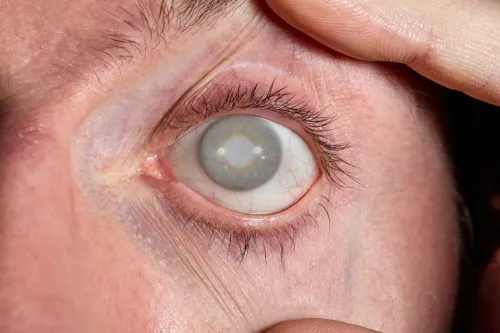
- Cataracts
- Glaucoma
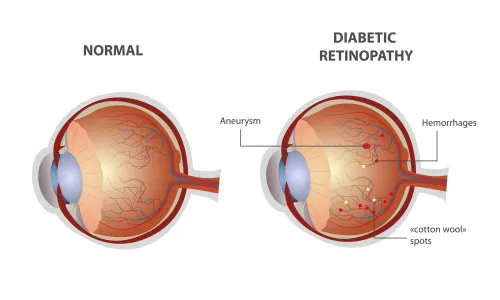
- Diabetic eye disease
- Hypertensive eye changes
- Retinal disorders
- Dry eye syndrome
Early detection allows timely medical advice before vision becomes significantly affected.
How the Procedure Is Performed
The process is simple, quick, and painless.
Typically, it includes:
- Recording medical and vision history.
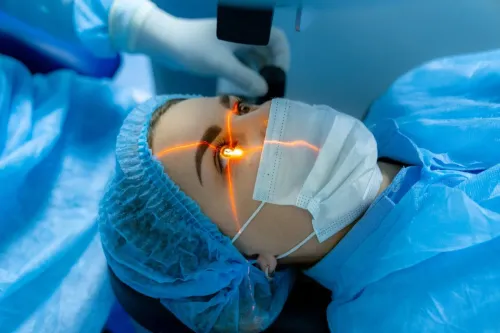
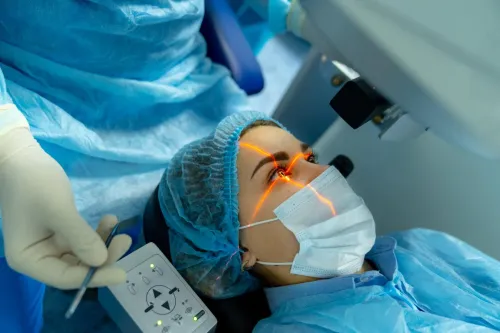
- Measuring refractive error using a computerized autorefractor.
- Checking visual acuity.
- Confirming lens power through subjective testing.
- Examining the overall health of the eyes.
Additional investigations may be recommended if abnormalities are detected.
Preparing for Your Appointment
Most people do not require special preparation.
However, it is useful to:
- Carry your existing spectacles.
- Bring previous eye prescriptions if available.
- Inform the doctor about medications you take.
- Mention any family history of eye disease.
- Report symptoms such as flashes, floaters, or sudden vision loss.
Providing complete information helps the specialist assess your vision more accurately.
How Often Should Eye Testing Be Done?
The ideal frequency depends on age and overall eye health.
General recommendations include:
- Children – As advised during developmental years.
- Healthy adults – Every one to two years.
- Individuals above 40 – Annual examinations.
- People with diabetes or hypertension – As recommended by their ophthalmologist.
Those experiencing sudden changes in vision should seek medical attention without delay.
Choosing a Comprehensive Eye Care Provider
Eye testing delivers the best results when it is part of a complete ophthalmic evaluation rather than a standalone screening. Facilities equipped with modern diagnostic technology and experienced eye specialists can investigate any abnormal findings promptly.
Patients seeking comprehensive eye care in Zirakpur may benefit from centres such as Dr. Jyotis Hospital, where computerised eye testing forms part of broader ophthalmology services that include diagnosis, treatment planning, and ongoing vision care tailored to individual needs.
Regular eye examinations remain one of the simplest ways to protect long-term vision. Detecting changes early allows appropriate treatment, helps maintain daily comfort, and supports healthy eyesight for years to come.
Keywords