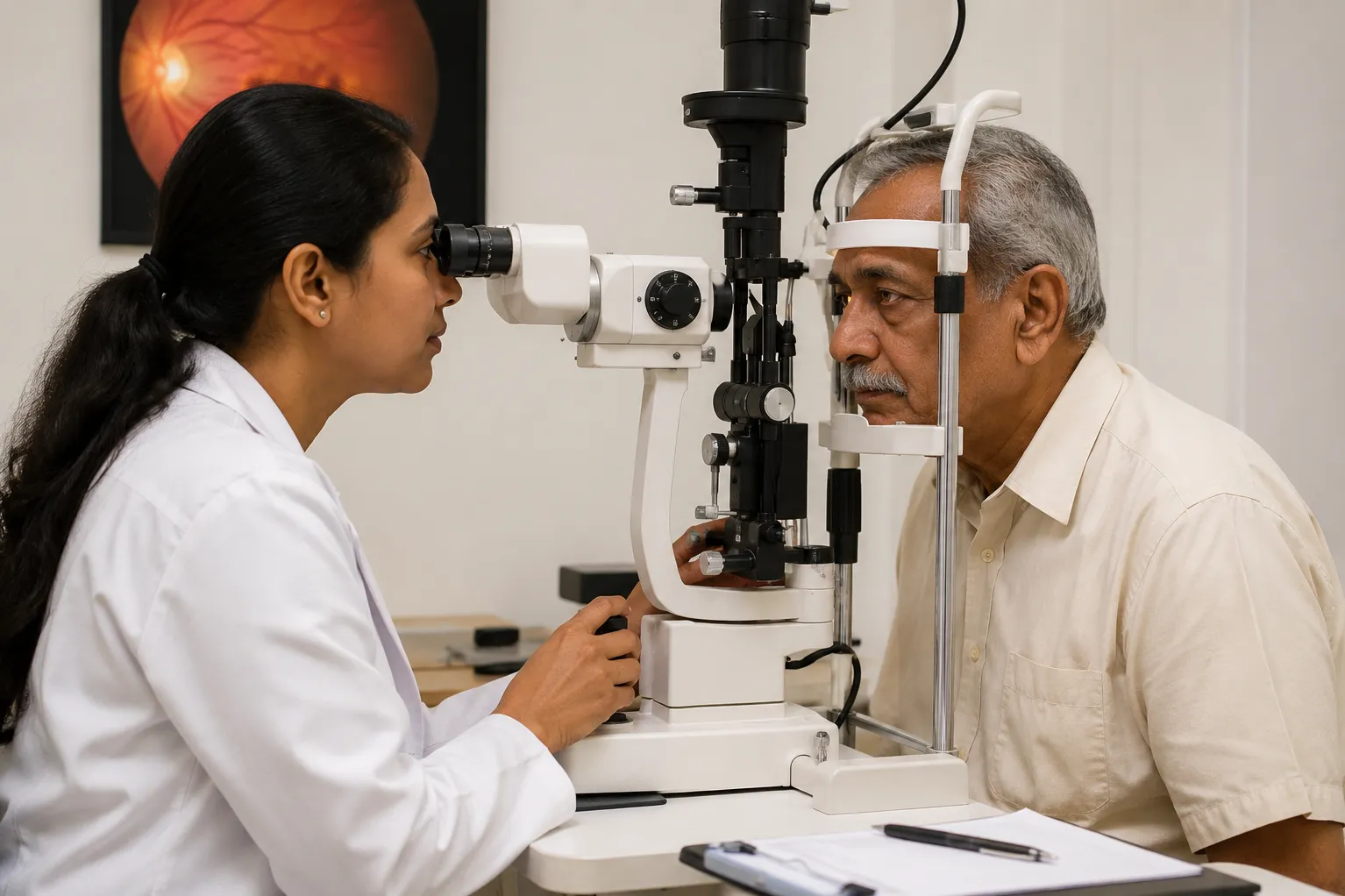
Central vision is essential for reading, recognising faces, driving, and performing many everyday tasks. One of the leading causes of gradual central vision loss in older adults is age related macular degeneration. While the condition cannot always be prevented, early diagnosis and appropriate treatment can help preserve useful vision and maintain independence.
As the population in Panchkula continues to age, awareness about age-related eye diseases has become increasingly important. Understanding the symptoms and available treatment options allows people to seek specialist care before vision loss becomes severe.
What Is Age Related Macular Degeneration?
The macula is a small area at the centre of the retina responsible for detailed vision.
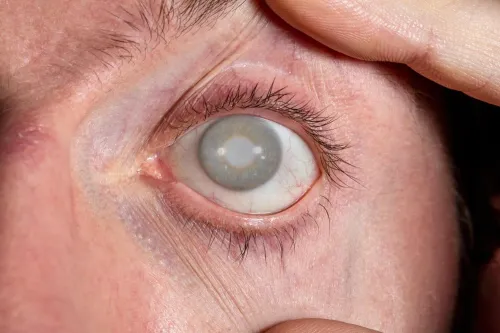
With age, changes can occur within this region, affecting a person's ability to see fine details clearly. Unlike cataracts, macular degeneration does not usually cause complete blindness, but it can significantly reduce central vision.
There are two main forms:
- Dry age-related macular degeneration
- Wet age-related macular degeneration
Each requires different monitoring and treatment approaches.
Early Symptoms
Many people initially notice subtle changes in vision.
Common symptoms include:
- Blurred central vision
- Difficulty reading small print
- Straight lines appearing distorted
- Reduced colour perception
- Difficulty recognising faces
- Need for brighter lighting
These symptoms should never be ignored, especially in adults over the age of 50.
Who Is More Likely to Develop the Condition?
Several factors increase the likelihood of age-related macular degeneration.
These include:
- Advancing age
- Smoking
- Family history
- High blood pressure
- Obesity
- Poor dietary habits
- High cholesterol
Although some risk factors cannot be changed, healthy lifestyle choices may support long-term eye health.
Diagnosis
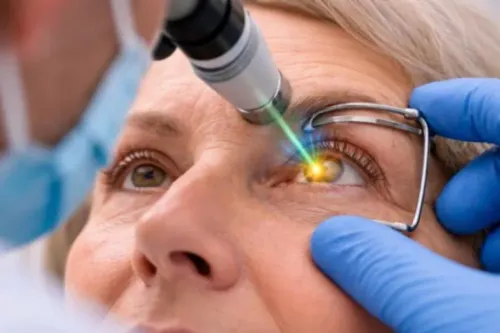
A comprehensive eye examination allows specialists to evaluate the macula thoroughly.
Diagnostic tests may include:
- Dilated retinal examination
- Optical coherence tomography (OCT)
- Retinal photography
- Vision assessment
- Amsler grid evaluation
These investigations help determine the stage of disease and guide treatment planning.
Available Treatment Options
Treatment depends on whether the condition is classified as dry or wet.
Management may involve:
- Regular monitoring
- Nutritional recommendations
- Intravitreal injections for suitable patients
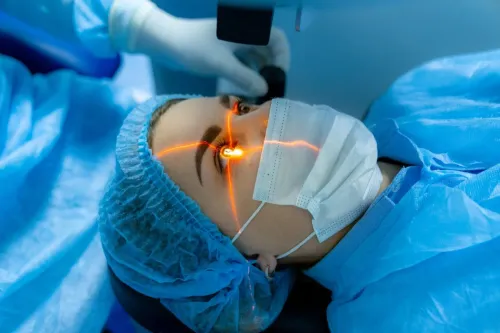
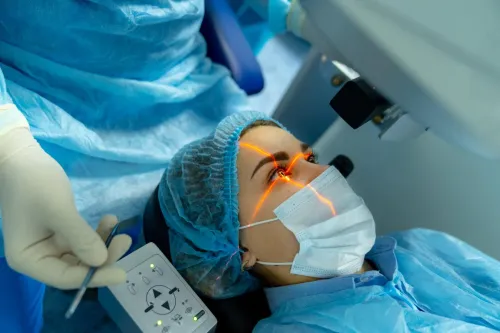
- Laser-based treatment in selected situations
- Lifestyle modifications
Following the recommended review schedule is important because early intervention often produces better outcomes.
Supporting Healthy Vision
While age cannot be changed, several healthy habits may reduce overall eye health risks.
These include:
- Eating leafy green vegetables
- Including omega-3-rich foods in the diet
- Managing blood pressure
- Controlling diabetes
- Wearing sunglasses outdoors
- Avoiding tobacco use
- Scheduling regular eye examinations
These measures contribute to healthier eyes and overall wellness.
When to Seek Immediate Medical Attention
Urgent evaluation is recommended if a person experiences:
- Sudden distortion of straight lines
- Rapid decline in central vision
- New dark spots affecting reading
- Significant changes in one eye
Prompt assessment helps determine whether immediate treatment is required.
Individuals seeking specialised retinal assessment in Panchkula may benefit from comprehensive ophthalmology services available at Dr. Jyotis Hospital, where experienced specialists evaluate retinal disorders using advanced diagnostic equipment and develop personalised treatment plans.
Maintaining central vision is essential for independence and quality of life. Recognising symptoms early and attending routine eye examinations remain the most effective ways to manage age-related macular degeneration before significant vision loss occurs.
Keywords