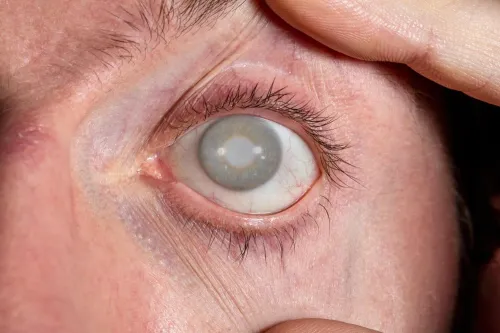
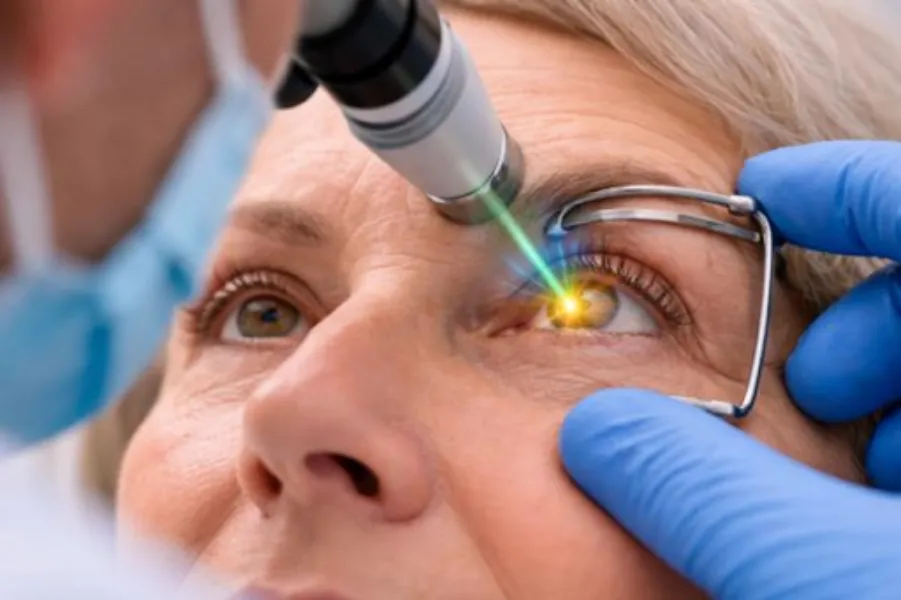
Many people experience excellent vision after cataract surgery, but months or even years later, some notice that their eyesight gradually becomes cloudy again. This often causes concern because patients assume the cataract has returned. In reality, the artificial lens remains clear, while the thin membrane behind it becomes cloudy. A YAG laser procedure is commonly used to restore clear vision without the need for another surgical operation.
Patients in Mohali frequently ask whether blurred vision after cataract surgery is normal and how it can be treated. Understanding when a YAG laser procedure is recommended can help individuals seek timely eye care and avoid unnecessary anxiety.
Why Vision Becomes Cloudy Again
During cataract surgery, the cloudy natural lens is removed and replaced with a clear artificial intraocular lens. A thin capsule is intentionally left in place to support the new lens.
Over time, some cells may grow on this capsule, causing it to become cloudy. This condition is known as posterior capsule opacification (PCO).
It is a common development and is not considered a complication of cataract surgery.
Signs That May Indicate the Need for YAG Laser
Patients may notice symptoms similar to those experienced before cataract surgery.
Common signs include:
- Gradually blurred vision
- Glare around lights
- Difficulty reading
- Reduced contrast sensitivity
- Poor night vision
- Hazy vision despite clean spectacles
A complete eye examination helps determine whether PCO is the cause or whether another eye condition requires attention.
How a YAG Laser Procedure Works
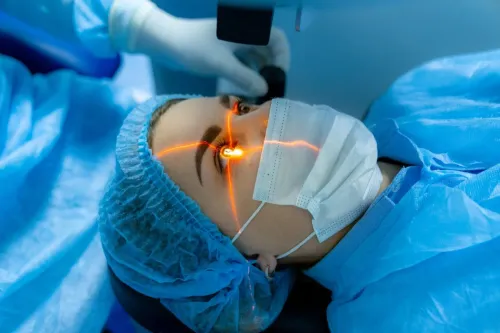
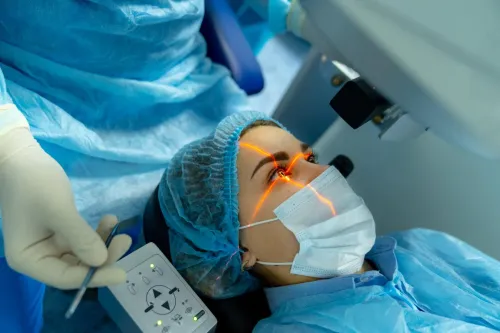
The procedure is performed in an outpatient setting and usually takes only a few minutes.
During treatment:
- Eye drops are used to dilate the pupil.
- The ophthalmologist positions the patient at the laser machine.
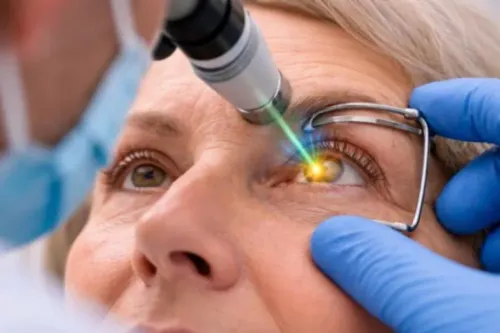
- The laser creates a small opening in the cloudy capsule.
- Light passes freely to the retina again, improving vision.
No surgical incision is required, and patients are generally able to return home shortly afterward.
Is the Procedure Painful?
Most patients experience little to no discomfort.
Since no cuts or stitches are involved, recovery is usually much quicker than cataract surgery itself. Some people notice clearer vision within hours, while others experience gradual improvement over the following days.
Temporary floaters may occur immediately after treatment but often settle naturally.
Recovery and Aftercare
Although recovery is typically straightforward, following medical advice remains important.
Patients are usually advised to:
- Attend scheduled follow-up appointments
- Use prescribed eye drops if recommended
- Report sudden flashes of light or significant floaters
- Protect overall eye health through routine examinations
The ophthalmologist will confirm that the eye pressure remains stable and that healing is progressing normally.
Who May Need a YAG Laser Procedure?
Not everyone who undergoes cataract surgery develops posterior capsule opacification.
However, the procedure may be recommended when cloudy vision begins affecting daily activities such as:
- Reading
- Driving
- Watching television
- Computer work
- Recognising faces
The decision is based on symptoms, examination findings, and the patient's visual needs.
Choosing the Right Eye Care Facility
YAG laser treatment should always be performed after a detailed eye examination to confirm the underlying cause of blurred vision. Comprehensive ophthalmology services ensure that other retinal or optic nerve conditions are not overlooked.
Patients seeking evaluation in Mohali may consider Dr. Jyotis Hospital, where ophthalmologists use modern diagnostic equipment to determine whether YAG laser treatment is appropriate and provide follow-up care tailored to each patient.
Cloudy vision after cataract surgery does not necessarily mean another operation is needed. Early assessment and appropriate laser treatment often restore visual clarity quickly, helping patients return to their daily activities with confidence.
Keywords