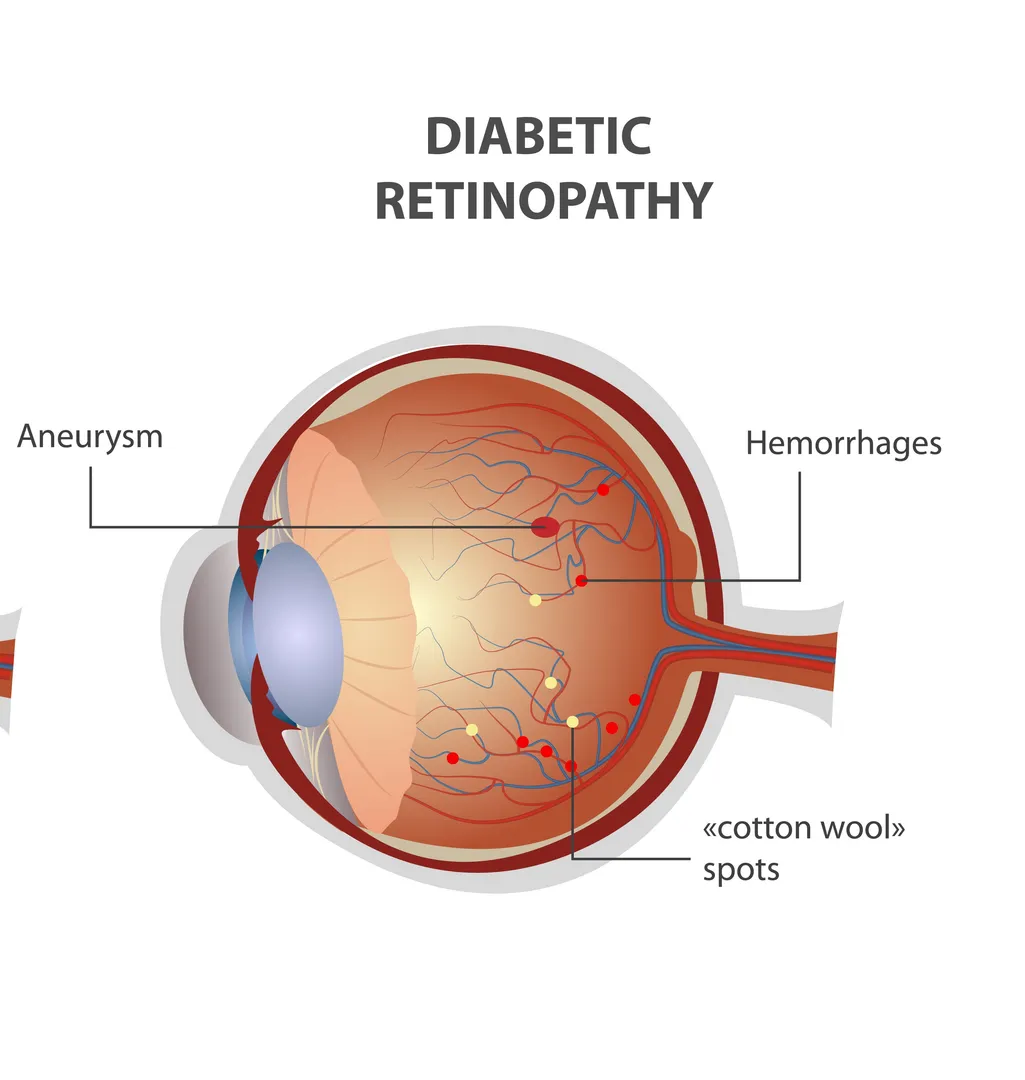
Living with diabetes means paying attention to more than just blood sugar levels. Over time, diabetes can affect several organs, including the eyes. One of the most common complications is diabetic retinopathy, a condition that damages the tiny blood vessels of the retina. Without timely care, it can lead to vision impairment or even permanent vision loss. The good news is that diabetic retinopathy treatment has advanced significantly, and early diagnosis offers the best opportunity to protect eyesight.
Many people are unaware they have diabetic retinopathy because the condition often develops without noticeable symptoms in its early stages. For individuals in Panchkula, regular eye examinations are just as important as routine diabetes check-ups.
Diabetes Can Affect Your Eyes Without Warning
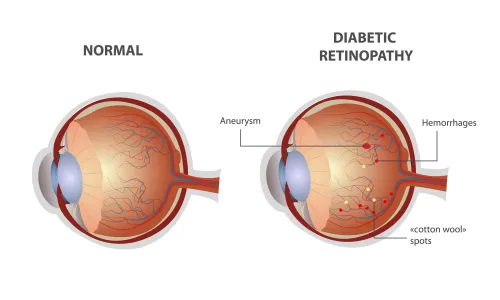
High blood sugar levels over a prolonged period can weaken and damage the blood vessels that nourish the retina. As the disease progresses, these vessels may leak fluid, bleed, or grow abnormally, affecting clear vision.
Several factors increase the risk of diabetic retinopathy, including:
- Long-standing diabetes
- Poor blood sugar control
- High blood pressure
- High cholesterol
- Kidney disease
- Smoking
Even people with well-controlled diabetes should have regular retinal evaluations, as the condition can develop silently.
Symptoms That Deserve Immediate Attention
Early diabetic retinopathy may not cause any visual changes. As the condition advances, patients may experience:
- Blurred vision
- Floating spots
- Difficulty reading
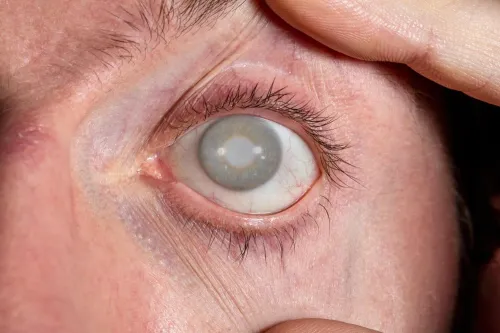
- Dark or empty areas in vision
- Poor night vision
- Sudden vision changes
These symptoms should never be ignored. Prompt medical evaluation allows treatment to begin before serious retinal damage occurs.
How Is Diabetic Retinopathy Diagnosed?
A detailed retinal examination helps ophthalmologists identify changes caused by diabetes before vision is significantly affected.
Your doctor may recommend:
- Dilated retinal examination
- OCT retinal imaging
- Fundus photography
- Vision assessment
- Eye pressure measurement
These investigations help determine the severity of the condition and guide the most appropriate treatment plan.
Available Treatment Options
Treatment depends on the stage of diabetic retinopathy and whether retinal swelling or abnormal blood vessel growth is present.
Your ophthalmologist may recommend:
- Careful observation for early disease
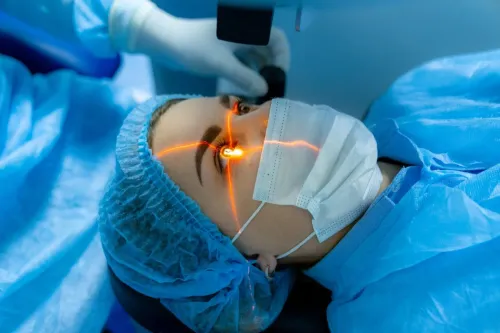
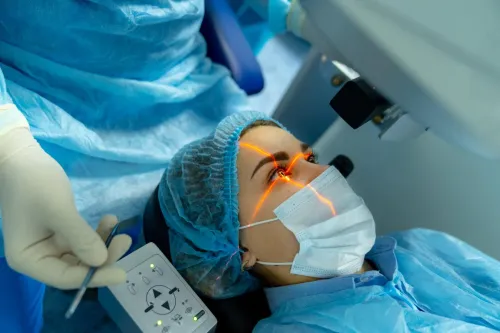
- Retinal laser treatment
- Intravitreal injections
- Retina surgery for advanced cases
- Regular monitoring with retinal imaging
Along with medical treatment, maintaining healthy blood sugar, blood pressure, and cholesterol levels remains essential for protecting long-term vision.
Everyday Habits That Support Eye Health
Medical treatment works best when combined with healthy lifestyle choices.
People with diabetes should:
- Monitor blood sugar regularly.
- Follow prescribed medications.
- Attend scheduled eye examinations.
- Maintain a balanced diet.
- Exercise as advised by their physician.
- Avoid smoking.
- Report sudden vision changes immediately.
These simple habits can help reduce the risk of disease progression.
Protecting Vision Is an Ongoing Process
Diabetic retinopathy is a long-term condition that requires regular follow-up rather than one-time treatment. Routine retinal examinations allow specialists to detect changes early and adjust treatment whenever necessary.
For patients seeking diabetic retinopathy treatment in Panchkula, Dr. Jyotis Hospital provides comprehensive retinal evaluation, advanced imaging, and personalized management for diabetic eye diseases. Patients can also explore drjyotihospital.org to understand how regular retinal screening helps preserve healthy vision.
Keywords