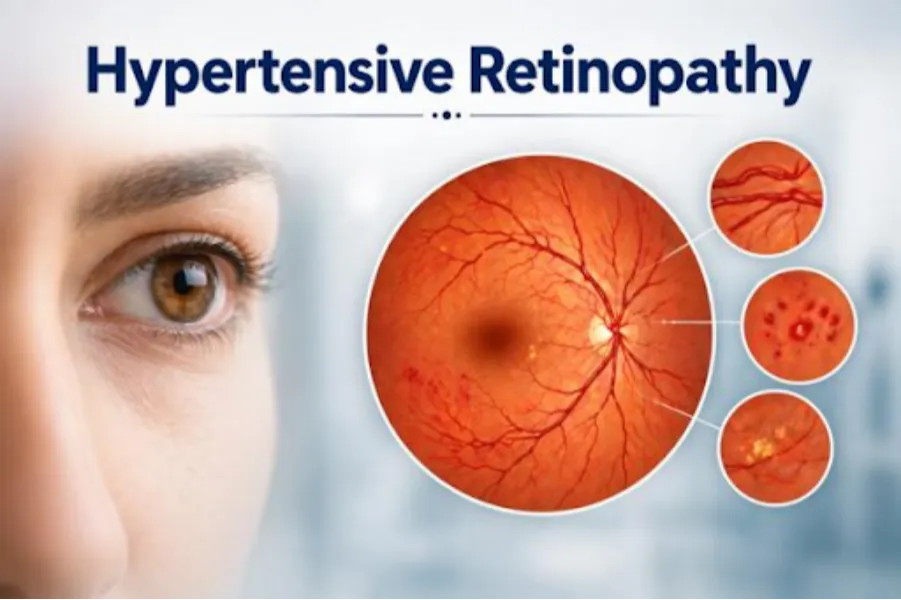
High blood pressure affects far more than the heart and blood vessels. Over time, it can damage the delicate blood vessels inside the eyes, leading to a condition known as hypertensive retinopathy. Because the condition often develops without noticeable symptoms in its early stages, regular eye examinations play an important role in protecting vision and identifying health concerns before permanent damage occurs.
People living in Chandigarh who have hypertension, diabetes, kidney disease, or a family history of cardiovascular conditions should understand how blood pressure can influence eye health and why timely evaluation matters.
Understanding Hypertensive Retinopathy
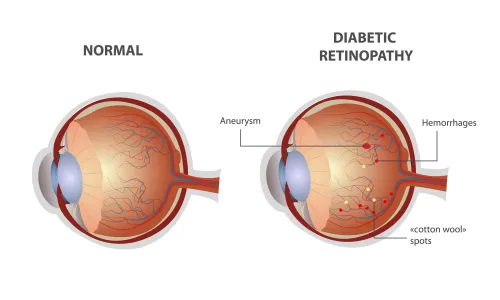
The retina is the light-sensitive tissue at the back of the eye that sends visual information to the brain. It depends on a network of tiny blood vessels to receive oxygen and nutrients.
When blood pressure remains elevated for an extended period, these blood vessels may become narrower, thicker, or damaged. Reduced blood flow can affect retinal function and, in severe cases, threaten vision.
Although hypertensive retinopathy primarily reflects the effects of uncontrolled blood pressure, it may also indicate changes occurring elsewhere in the body.
Common Symptoms
Many people experience no symptoms during the early stages. As the condition progresses, symptoms may include:
- Blurred vision
- Reduced visual clarity
- Double vision
- Headaches
- Difficulty focusing
- Sudden vision changes in severe cases
Since symptoms often appear late, routine eye examinations remain the most reliable way to detect retinal changes early.
Who Is at Higher Risk?
Certain individuals have a greater likelihood of developing hypertensive retinopathy.
Risk factors include:
- Long-standing high blood pressure
- Poorly controlled hypertension
- Diabetes
- Kidney disease
- High cholesterol
- Smoking
- Increasing age
- Family history of cardiovascular disease
Managing these conditions effectively can reduce the likelihood of retinal damage.
How Doctors Diagnose the Condition
An ophthalmologist performs a detailed examination to evaluate retinal health.
The assessment may include:
- Visual acuity testing
- Dilated retinal examination
- Retinal imaging
- Optical coherence tomography when indicated
- Blood pressure review
The findings help determine the severity of retinal involvement and whether further medical evaluation is required.
Managing Hypertensive Retinopathy
Treatment focuses on controlling the underlying cause rather than treating the retina alone.
A management plan may involve:
- Better blood pressure control
- Medication adjustments under physician guidance
- Healthy dietary changes
- Regular exercise
- Weight management
- Smoking cessation
- Routine eye monitoring
When blood pressure improves, further retinal damage can often be reduced, although existing changes may require ongoing observation.
Everyday Habits That Support Eye Health
Protecting vision involves maintaining overall cardiovascular health.
Helpful lifestyle measures include:
- Reducing excess salt intake
- Eating plenty of fruits and vegetables
- Remaining physically active
- Taking prescribed medications consistently
- Monitoring blood pressure regularly
- Attending scheduled medical reviews
These habits support both eye health and general well-being.
Why Regular Eye Examinations Matter
The eyes provide doctors with a unique opportunity to observe blood vessels directly. Changes seen during an eye examination may sometimes reveal hypertension before complications develop elsewhere.
For this reason, individuals with high blood pressure should not wait until vision becomes affected before seeking an eye assessment.
Patients in Chandigarh looking for comprehensive ophthalmology services may consult Dr. Jyotis Hospital, where retinal evaluations are supported by modern diagnostic technology and coordinated care when systemic health conditions influence eye health.
Protecting vision begins with recognising that healthy eyes and healthy blood pressure go hand in hand. Early diagnosis and consistent medical care remain the best strategies for preserving eyesight.
Keywords