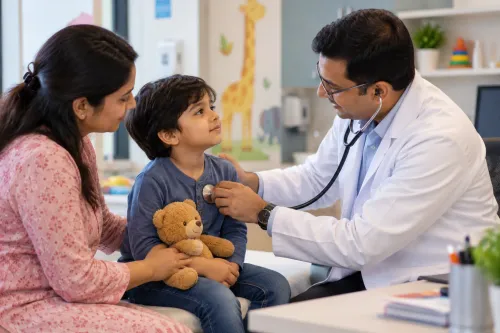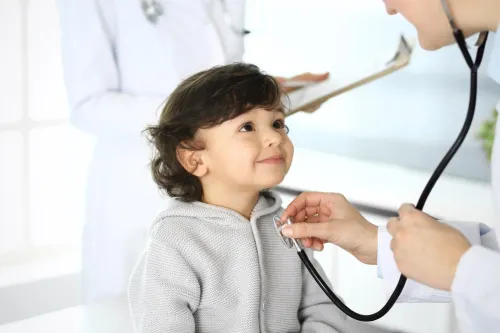

Every child grows at their own pace, but healthy growth follows certain medical patterns that help doctors assess physical development. Regular growth monitoring for kids is an important part of preventive healthcare because it allows parents and pediatricians to identify nutritional concerns, developmental delays, and underlying medical conditions before they become more serious.
Many parents in Panchkula assume that a child is healthy as long as they are active and eating reasonably well. While these are positive signs, measuring height, weight, body mass index (BMI), and developmental milestones provides a more complete picture of a child's overall health.
Why Growth Monitoring Matters
Growth is influenced by genetics, nutrition, sleep, physical activity, hormones, and overall health. Monitoring these factors over time helps doctors determine whether a child is progressing appropriately for their age.
Routine growth assessments help:
- Track height and weight accurately
- Evaluate nutritional status
- Identify growth delays
- Detect obesity at an early stage
- Monitor developmental milestones
- Support timely medical intervention when necessary
Rather than relying on a single measurement, pediatricians compare a child's progress over multiple visits using standardized growth charts.
What Happens During a Growth Monitoring Visit?
A growth assessment is more than simply checking a child's height and weight.
The consultation may include:
- Measuring height, weight, and head circumference for infants
- Calculating body mass index
- Comparing measurements with age-appropriate growth charts
- Reviewing dietary habits
- Assessing sleep patterns
- Discussing physical activity
- Evaluating developmental milestones
- Reviewing vaccination history
If concerns arise, the pediatrician may recommend additional investigations or specialist referrals.
Signs That Should Not Be Ignored
Parents should seek medical advice if they notice:
- Poor weight gain
- Significant weight loss
- Delayed height growth
- Frequent illness affecting nutrition
- Delayed speech or motor development
- Persistent feeding difficulties
- Lack of appetite over an extended period
Early evaluation helps determine whether these changes are temporary or require medical attention.
Nutrition Plays a Central Role
Balanced nutrition supports healthy growth throughout childhood.
A child's daily diet should include:
- Fresh fruits and vegetables
- Whole grains
- Dairy products or suitable alternatives
- Protein-rich foods
- Healthy fats
- Adequate hydration
Highly processed foods and sugary beverages should be consumed in moderation to encourage healthy long-term eating habits.
Growth Patterns Change with Age
Children experience different phases of development.
These include:
- Rapid growth during infancy
- Steady development during preschool years
- Slower but consistent growth during primary school
- Growth spurts during puberty
Because these stages vary, regular monitoring helps distinguish normal development from potential health concerns.
The Importance of Routine Pediatric Visits
Even healthy children benefit from scheduled health check-ups.
Regular visits allow pediatricians to:
- Monitor physical growth
- Assess developmental progress
- Review immunization status
- Provide nutritional guidance
- Discuss behavioural concerns
- Address parental questions
These appointments create opportunities to identify issues before symptoms become severe.
Supporting Healthy Development at Home
Parents can encourage healthy growth by:
- Offering balanced meals
- Promoting outdoor play
- Limiting excessive screen time
- Establishing regular sleep routines
- Encouraging physical activity
- Scheduling routine health assessments
Simple lifestyle habits often have a lasting impact on physical and emotional development.
Choosing a Child Healthcare Provider
Growth monitoring is most effective when performed consistently by experienced pediatric professionals who understand each stage of childhood development.
Families in Panchkula seeking comprehensive pediatric care may consider Dr. Jyotis Hospital, where growth monitoring forms part of broader child healthcare services, including nutritional counselling, developmental assessment, and preventive medical care. Regular evaluations help ensure children receive appropriate guidance as they grow into healthy adolescents.
Keywords