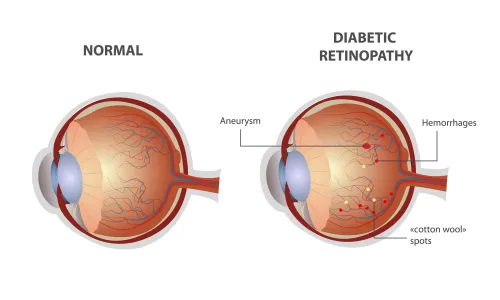
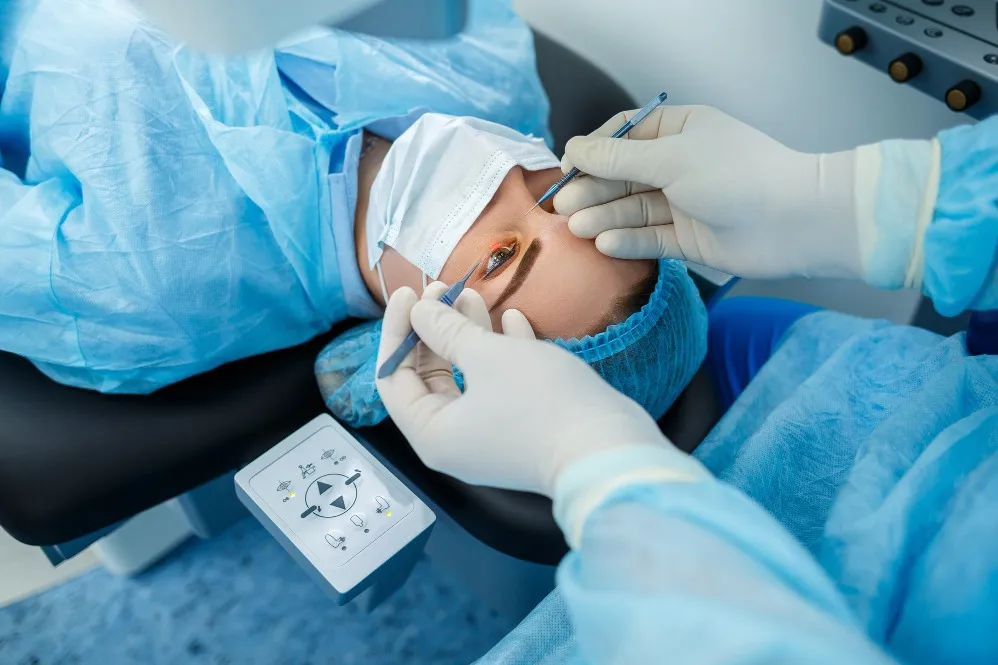
The retina is a thin layer of tissue located at the back of the eye that plays a vital role in vision. It captures light and sends signals to the brain, allowing you to see clearly. When the retina is damaged due to injury, aging, diabetes, or other eye conditions, vision can become distorted or even permanently affected if treatment is delayed. In many situations, retina surgery offers an effective way to preserve or restore eyesight.
Retinal diseases often develop gradually, making early diagnosis essential. People living in Panchkula who experience sudden changes in vision should not ignore these symptoms, as timely medical evaluation can prevent further complications.
Understanding the Importance of the Retina
The retina functions much like the sensor inside a digital camera. Even if the rest of the eye is healthy, damage to the retina can significantly affect vision.
Several conditions can impact retinal health, including:
- Retinal detachment
- Macular hole
- Epiretinal membrane
- Diabetic retinopathy
- Retinal tears
- Vitreous haemorrhage
Some retinal disorders require medical treatment, while others may need surgical intervention depending on their severity.
Warning Signs That Need Immediate Attention
Retinal conditions often appear without pain, making it easy to overlook early symptoms. However, certain changes in vision should always be considered an emergency.
Seek an eye examination if you notice:
- A sudden increase in floaters
- Flashes of light
- A shadow or curtain over part of your vision
- Sudden blurred or distorted vision
- Loss of side vision
- Difficulty reading despite wearing glasses
Prompt evaluation by a retina specialist increases the chances of protecting vision and preventing permanent damage.
When Is Retina Surgery Recommended?
Not every retinal condition requires surgery. Some problems can be managed with medication, laser treatment, or regular observation. However, surgery becomes necessary when structural damage to the retina threatens vision.
Retina surgery may be recommended for:
- Retinal detachment
- Macular hole
- Severe vitreous bleeding
- Complicated diabetic retinal disease
- Traction affecting the retina
- Certain retinal injuries
The type of surgery depends on the patient's diagnosis, eye health, and overall medical condition.
Modern Techniques Have Improved Patient Care
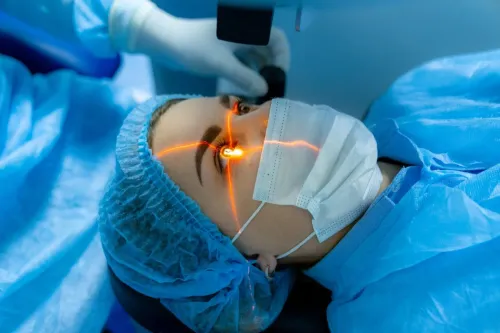
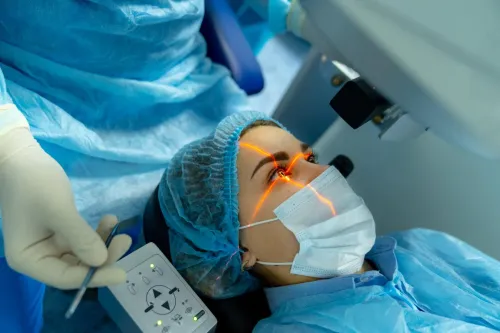
Retinal surgery has advanced considerably over the years. Modern microsurgical techniques allow ophthalmologists to perform highly precise procedures using specialised instruments designed for delicate eye structures.
Some benefits of current surgical approaches include:
- Smaller surgical incisions
- Better visualisation during surgery
- Greater surgical precision
- Improved patient comfort
- Faster recovery in many cases
Every treatment plan is tailored to the individual after a thorough eye examination and diagnostic imaging.
What to Expect During Recovery
Recovery varies depending on the type of retinal condition and the procedure performed. Some patients notice gradual improvement in vision, while others may require more time for healing.
Your ophthalmologist may recommend:
- Using prescribed eye medications regularly
- Avoiding heavy lifting and strenuous activities
- Attending scheduled follow-up appointments
- Following specific head-positioning instructions if advised
- Reporting any sudden vision changes immediately
Carefully following post-operative instructions supports better healing and allows your doctor to monitor recovery effectively.
Why Early Diagnosis Makes a Difference
Many retinal diseases become more difficult to treat if they are ignored. Regular eye examinations are especially important for people with diabetes, high blood pressure, or a family history of retinal disorders.
Early diagnosis allows specialists to:
- Detect retinal damage before vision is severely affected
- Recommend appropriate treatment sooner
- Monitor disease progression accurately
- Reduce the likelihood of serious complications
- Help preserve long-term visual function
Routine eye care remains one of the most effective ways to maintain healthy vision throughout life.
Protecting Your Vision Starts with Timely Action
Retinal disorders can affect people of different ages and often progress without obvious warning. Recognising early symptoms and seeking prompt medical advice can make a significant difference in preserving eyesight.
For patients seeking advanced retina surgery services in Panchkula, Dr. Jyotis Hospital provides comprehensive retinal evaluation, advanced diagnostic technology, and personalised treatment for a wide range of retinal conditions. Patients can also explore drjyotihospital.org to understand retinal diseases and available treatment options.
Keywords