Your eyesight deserves expert attention at every stage of life. Whether you're visiting an eye specialist for a routine examination or seeking treatment for a specific condition, choosing the right top eye hospital is one of the most important healthcare decisions you can make. The quality of diagnosis, medical expertise, and available technology all contribute to better treatment outcomes and long-term vision care.
Many people wait until they experience blurred vision or eye discomfort before consulting an ophthalmologist. However, several eye conditions develop gradually without noticeable symptoms. Regular eye examinations help identify these problems early, allowing treatment to begin before vision is significantly affected. For residents of Chandigarh, having access to comprehensive eye care close to home also makes regular follow-up appointments more convenient.
Looking Beyond a Routine Eye Test
A standard vision test measures how well you can see, but a comprehensive eye examination evaluates the overall health of your eyes. It helps specialists detect conditions that may not yet affect your eyesight but could become serious if left untreated.
A detailed eye examination may include:
- Vision assessment
- Eye pressure measurement
- Retinal evaluation
- Corneal examination
- Optic nerve assessment
- Screening for age-related eye diseases
These evaluations provide a complete picture of your eye health and help doctors recommend the most appropriate care.
Why Early Detection Makes a Difference
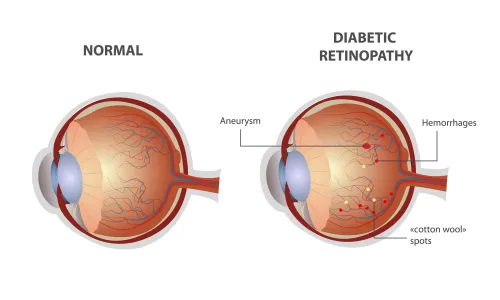
Many eye diseases develop slowly and painlessly, making regular eye check-ups essential. Conditions such as glaucoma, diabetic retinopathy, and retinal disorders often show little or no symptoms during their early stages. Detecting these problems early improves the chances of preserving vision and reducing complications.
You should consider scheduling an eye examination if you notice:
- Blurred or double vision
- Difficulty seeing at night
- Frequent headaches caused by eye strain
- Sudden flashes of light or floating spots
- Persistent redness or eye discomfort
- A family history of serious eye conditions
People with diabetes, hypertension, or advancing age should also have periodic eye evaluations, even if their vision appears normal.
What Should You Look for in a Top Eye Hospital?
Not every hospital offers the same level of eye care. A well-equipped eye hospital combines experienced specialists, advanced diagnostic facilities, and patient-focused care to provide accurate diagnosis and effective treatment.
When comparing hospitals, consider whether they offer:
- Experienced ophthalmologists with expertise in different eye conditions
- Modern diagnostic and imaging technology
- Medical and surgical eye care under one roof
- Clear explanations of treatment options
- Structured follow-up care after treatment
- A comfortable environment for patients of all age groups
These factors help ensure continuity of care from diagnosis through recovery.
How Advanced Technology Improves Eye Care
Eye care has evolved significantly with the introduction of modern diagnostic equipment. High-resolution imaging allows doctors to examine delicate eye structures in remarkable detail, helping them identify conditions that might otherwise go unnoticed.
Advanced technology supports better care by helping specialists:
- Detect eye diseases at an earlier stage
- Monitor changes accurately over time
- Plan treatments with greater precision
- Evaluate recovery after medical or surgical procedures
- Personalize treatment according to individual needs
Accurate diagnosis gives patients greater confidence when making treatment decisions.
Who Benefits Most from Regular Eye Check-ups?
Routine eye examinations are important for everyone, regardless of age. Children need healthy vision for learning and development, while adults often experience digital eye strain from prolonged screen use. Older adults are at increased risk of cataracts, glaucoma, and retinal diseases.
Regular eye examinations are particularly recommended for:
- Adults above 40 years
- People living with diabetes or high blood pressure
- Individuals with a family history of eye disease
- Children experiencing vision-related learning difficulties
- People who wear glasses or contact lenses
- Anyone noticing changes in their eyesight
Preventive eye care allows problems to be identified before they begin affecting everyday activities.
Choosing Expert Care for Lifelong Vision
Healthy eyesight depends on timely diagnosis, regular monitoring, and access to experienced specialists. Instead of waiting until symptoms become severe, scheduling routine eye examinations can help detect many conditions at an early stage and support better long-term eye health.
For individuals seeking comprehensive eye care in Chandigarh, Dr. Jyotis Hospital provides diagnostic, medical, and surgical eye care services supported by experienced ophthalmologists and advanced technology. Patients can also explore drjyotihospital.org to understand available eye care services and make informed decisions about protecting their vision.
Keywords