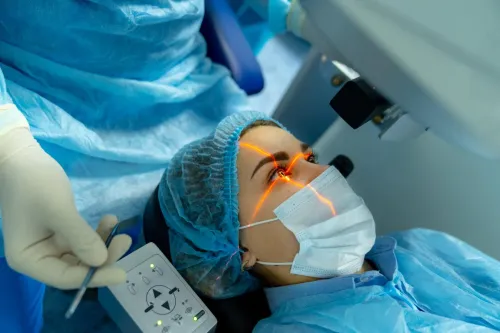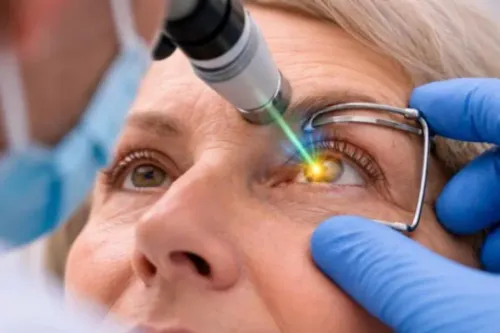
Cataracts are among the most common causes of reduced vision, particularly as people grow older. Fortunately, advances in ophthalmology have transformed cataract treatment into a highly precise and minimally invasive procedure. Phaco surgery has become one of the preferred techniques because it enables cataract removal through a small incision while supporting faster visual recovery.
Residents across Mohali who notice gradually worsening vision, increased glare while driving, or difficulty reading should understand how this modern surgical approach works and when it may be recommended.
Understanding Cataracts
A cataract develops when the eye's natural lens becomes cloudy. Instead of allowing light to pass clearly to the retina, the cloudy lens causes blurred or hazy vision.
Common symptoms include:
- Blurred eyesight
- Increased sensitivity to bright lights
- Difficulty driving at night
- Frequent changes in spectacle prescription
- Faded colours
- Double vision in one eye
Since cataracts usually progress slowly, many people adapt without realizing how much their vision has changed.
What Makes Phaco Surgery Different?
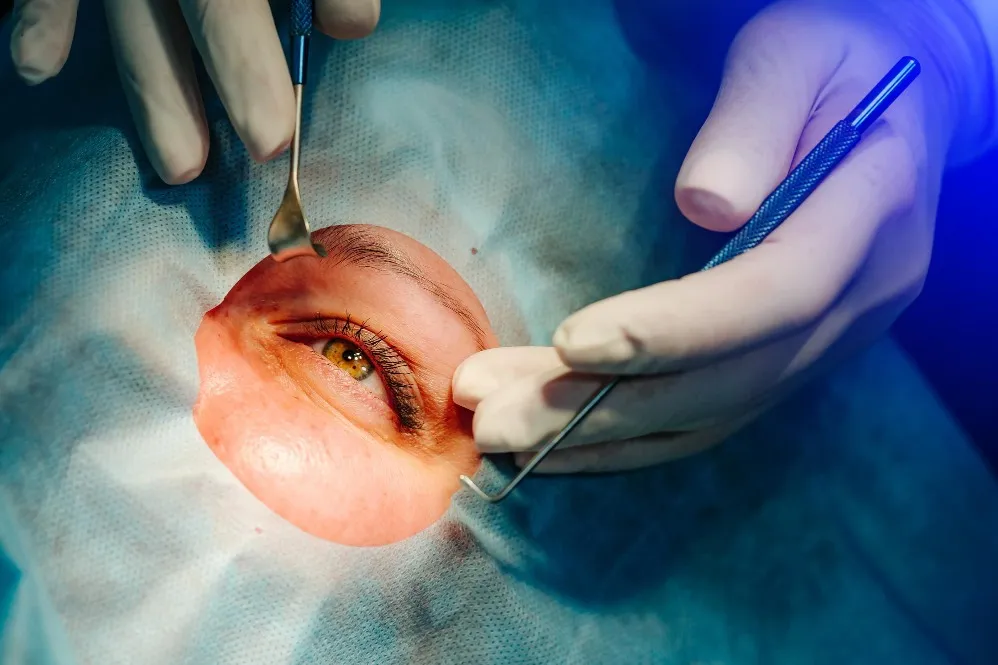
Phaco surgery, also known as phacoemulsification, uses ultrasonic energy to break the cloudy lens into tiny fragments. These fragments are gently removed through a very small incision, after which an artificial intraocular lens is implanted.
The small incision often heals naturally without requiring stitches, depending on the patient's condition.
Compared with older surgical techniques, phaco surgery generally offers:
- Smaller surgical incisions
- Reduced tissue disturbance
- Faster recovery
- Less postoperative discomfort
- Earlier improvement in vision
When Is Cataract Surgery Recommended?
Surgery is usually considered when cataracts begin interfering with daily activities rather than based solely on the age of the cataract.
Patients commonly seek treatment when they experience:
- Difficulty reading newspapers
- Problems recognizing faces
- Unsafe night driving
- Reduced work efficiency
- Frequent falls caused by poor vision
The decision is made after a detailed examination by an ophthalmologist.
What Happens Before Surgery?
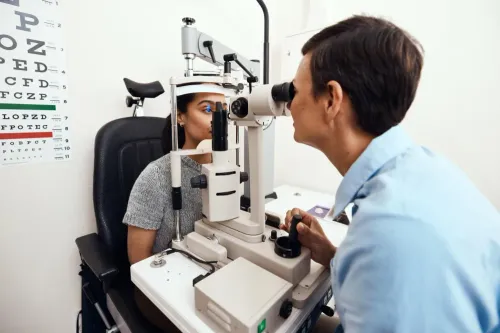
A comprehensive eye evaluation is performed before scheduling the procedure.
This assessment may include:
- Visual acuity testing
- Eye pressure measurement
- Retinal examination
- Corneal evaluation
- Intraocular lens power calculation
Medical conditions such as diabetes and hypertension are also reviewed to ensure safe surgical planning.
During the Procedure
Phaco surgery is usually performed under local anaesthesia.
The surgeon:
- Creates a tiny incision.
- Uses ultrasound to break the cataract.
- Removes the fragmented lens.
- Places a clear artificial intraocular lens.
- Completes the surgery through the small opening.
The procedure generally takes less than an hour, although preparation and observation require additional time.
Recovery After Surgery
Recovery is usually smooth when postoperative instructions are followed carefully.
Patients are commonly advised to:
- Use prescribed eye drops regularly.
- Avoid rubbing the eye.
- Protect the eye from dust.
- Attend scheduled follow-up appointments.
- Avoid heavy lifting during the initial healing period.
Many people notice gradual improvement in vision within days, while complete stabilization may take several weeks.
Common Questions Patients Ask
Will cataracts come back?
The removed cataract does not return. Some individuals may later develop clouding of the capsule supporting the artificial lens, which can often be managed with a YAG laser procedure if necessary.
Is surgery painful?
The operation is generally comfortable because local anaesthesia minimizes discomfort.
Will glasses still be needed?
Some patients continue to use spectacles for reading or specific activities depending on the selected intraocular lens and individual vision requirements.
Selecting an Experienced Surgical Centre
Successful cataract treatment depends on careful evaluation, appropriate lens selection, advanced surgical equipment, and experienced ophthalmologists.
Patients in Mohali looking for comprehensive cataract management may consider facilities such as Dr. Jyotis Hospital, where phaco surgery is supported by modern diagnostic systems and individualized treatment planning to achieve the best possible visual outcomes.
Early consultation allows cataracts to be managed before they significantly affect quality of life, helping patients regain clearer vision and greater independence.
Keywords