The retina is one of the most delicate and essential parts of the eye. Acting like the camera sensor of the human body, it converts light into signals that travel to the brain, allowing us to see clearly. Damage to the retina can lead to permanent vision loss if left untreated, making timely diagnosis extremely important.
Finding the best retina doctor becomes particularly important for individuals experiencing sudden vision changes, diabetes-related eye problems, flashes of light, floating spots, or blurred central vision.
For residents of Chandigarh, understanding when specialist retinal care is needed can help preserve eyesight and improve long-term visual outcomes.
What Does a Retina Specialist Treat?
A retina specialist is an ophthalmologist with advanced expertise in diagnosing and treating diseases affecting the retina and vitreous.
Some commonly managed conditions include:
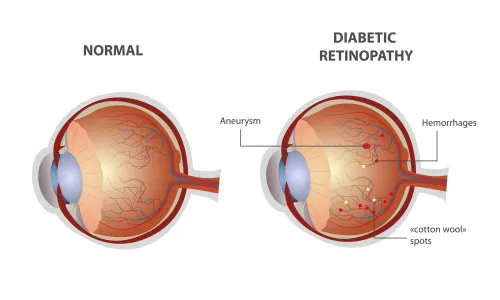
- Diabetic retinopathy
- Retinal tears
- Retinal detachment
- Macular degeneration
- Macular holes
- Retinal vein occlusion
- Hypertensive retinopathy
- Vitreous haemorrhage
Many of these conditions require specialized imaging and prompt intervention.
Warning Signs That Should Never Be Ignored
Several symptoms indicate the need for immediate eye evaluation.
Seek medical attention if you notice:
- Sudden loss of vision
- Bright flashes of light
- Numerous new floaters
- A dark curtain across vision
- Distorted straight lines
- Blurred central vision
Prompt diagnosis significantly improves treatment possibilities for many retinal disorders.
People at Higher Risk
Certain groups benefit from regular retinal examinations.
These include individuals with:
- Diabetes
- High blood pressure
- High myopia
- Family history of retinal disease
- Previous eye surgery
- Eye injuries
- Increasing age
Routine monitoring helps detect changes before permanent vision loss develops.
How Retina Problems Are Diagnosed
Modern ophthalmology uses advanced imaging techniques to examine retinal health.
Common investigations include:
- Dilated retinal examination
- Optical coherence tomography (OCT)
- Fundus photography
- Fluorescein angiography
- Ultrasound scanning when required
Each investigation provides valuable information for diagnosis and treatment planning.
Available Treatment Options
Treatment depends entirely on the underlying retinal condition.
Possible options include:
- Observation with regular monitoring
- Intravitreal injections
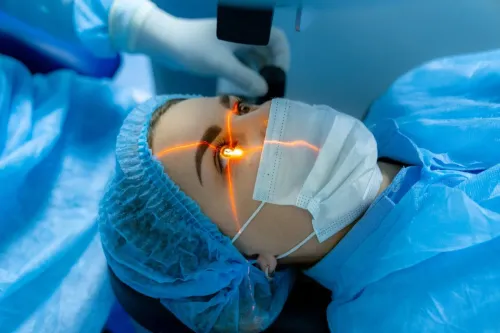
- Laser treatment for eyes
- Vitrectomy surgery
- Medical management of associated conditions
Early intervention often improves the likelihood of preserving useful vision.
Why Systemic Health Matters
The retina often reflects overall vascular health.
Conditions such as diabetes and hypertension can damage the tiny blood vessels within the retina long before symptoms appear.
Managing blood sugar, blood pressure, cholesterol, and maintaining healthy lifestyle habits supports both eye health and general wellbeing.
Questions to Ask During Your Consultation
Patients may wish to discuss:
- What is causing the vision problem?
- Is further imaging required?
- Will treatment improve vision or prevent further loss?
- How frequently are follow-up visits needed?
- Are lifestyle changes recommended?
Understanding the diagnosis helps patients participate actively in long-term eye care.
Accessing Comprehensive Retinal Care
Retinal diseases often require coordinated care involving advanced diagnostics, medical management, and surgical expertise when necessary. Choosing a healthcare provider with comprehensive ophthalmology services allows patients to receive timely evaluation without unnecessary delays.
Individuals seeking specialised retinal assessment in Chandigarh may consult facilities such as Dr. Jyotis Hospital, where experienced eye specialists evaluate retinal disorders using modern diagnostic technology and recommend personalised treatment plans based on each patient's condition.
Protecting retinal health begins with recognising symptoms early, attending routine eye examinations, and seeking specialist care whenever changes in vision occur. Early diagnosis remains one of the most effective ways to safeguard sight for the future.
Keywords