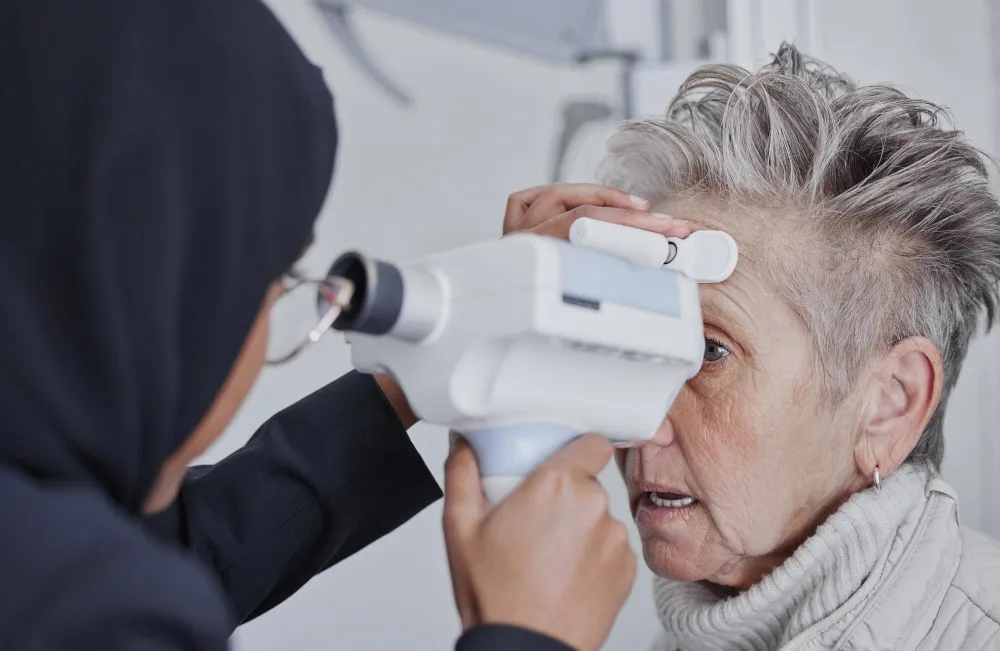
Glaucoma is often called the 'silent thief of sight' because it can gradually damage the optic nerve without causing pain or obvious symptoms. Many people discover they have glaucoma only after experiencing permanent vision loss. Fortunately, early diagnosis and appropriate glaucoma treatment can help slow disease progression and preserve eyesight.
Since glaucoma usually develops gradually, regular eye examinations become increasingly important with age. Residents of Zirakpur should consider routine eye check-ups, particularly if they have risk factors such as diabetes, high eye pressure, or a family history of glaucoma.
What Happens in Glaucoma?
The optic nerve carries visual information from the eye to the brain. In glaucoma, this nerve becomes damaged, often due to increased pressure inside the eye, although glaucoma can also occur with normal eye pressure.
If left untreated, optic nerve damage gradually affects side vision before eventually involving central vision.
Who Is More Likely to Develop Glaucoma?
Although anyone can develop glaucoma, certain people have a higher risk.
These include:
- Adults over 40 years
- Individuals with a family history of glaucoma
- People with diabetes
- Patients with high eye pressure
- Individuals with severe nearsightedness
- Long-term steroid users
Regular screening helps identify glaucoma before symptoms become noticeable.
How Is Glaucoma Diagnosed?
A comprehensive glaucoma assessment includes more than simply checking vision.
Your ophthalmologist may perform:
- Eye pressure measurement
- Optic nerve examination
- Visual field testing
- OCT imaging of the optic nerve
- Corneal thickness measurement
These investigations provide valuable information about optic nerve health and disease progression.
Treatment Depends on the Stage of Disease
The primary goal of glaucoma treatment is to reduce eye pressure and prevent further optic nerve damage.
Treatment options may include:
- Prescription eye drops
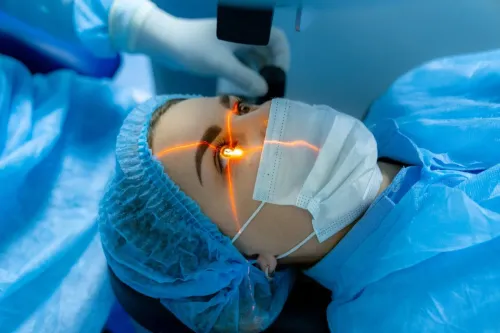
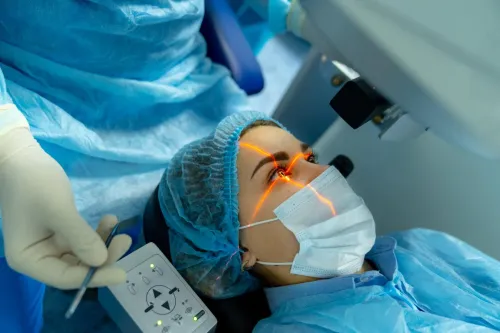
- Laser procedures
- Minimally invasive glaucoma surgery
- Conventional glaucoma surgery when required
Your doctor will recommend treatment based on the type and severity of glaucoma.
Why Regular Follow-up Is Essential
Unlike many other eye diseases, glaucoma usually requires lifelong monitoring.
Follow-up appointments allow doctors to:
- Measure eye pressure
- Monitor optic nerve changes
- Adjust medications
- Evaluate treatment effectiveness
- Detect progression early
Skipping appointments can allow glaucoma to worsen without noticeable symptoms.
Protecting Your Vision for the Future
Although glaucoma cannot usually reverse existing optic nerve damage, early diagnosis and consistent treatment can help preserve useful vision for many years. Routine eye examinations remain the best way to detect glaucoma before permanent vision loss occurs.
For people seeking glaucoma treatment in Zirakpur, Dr. Jyotis Hospital offers comprehensive glaucoma evaluation supported by experienced ophthalmologists and advanced diagnostic technology. Patients can also visit drjyotihospital.org to learn more about glaucoma screening and treatment options.
Keywords