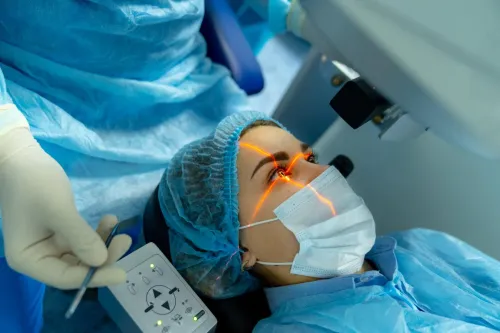
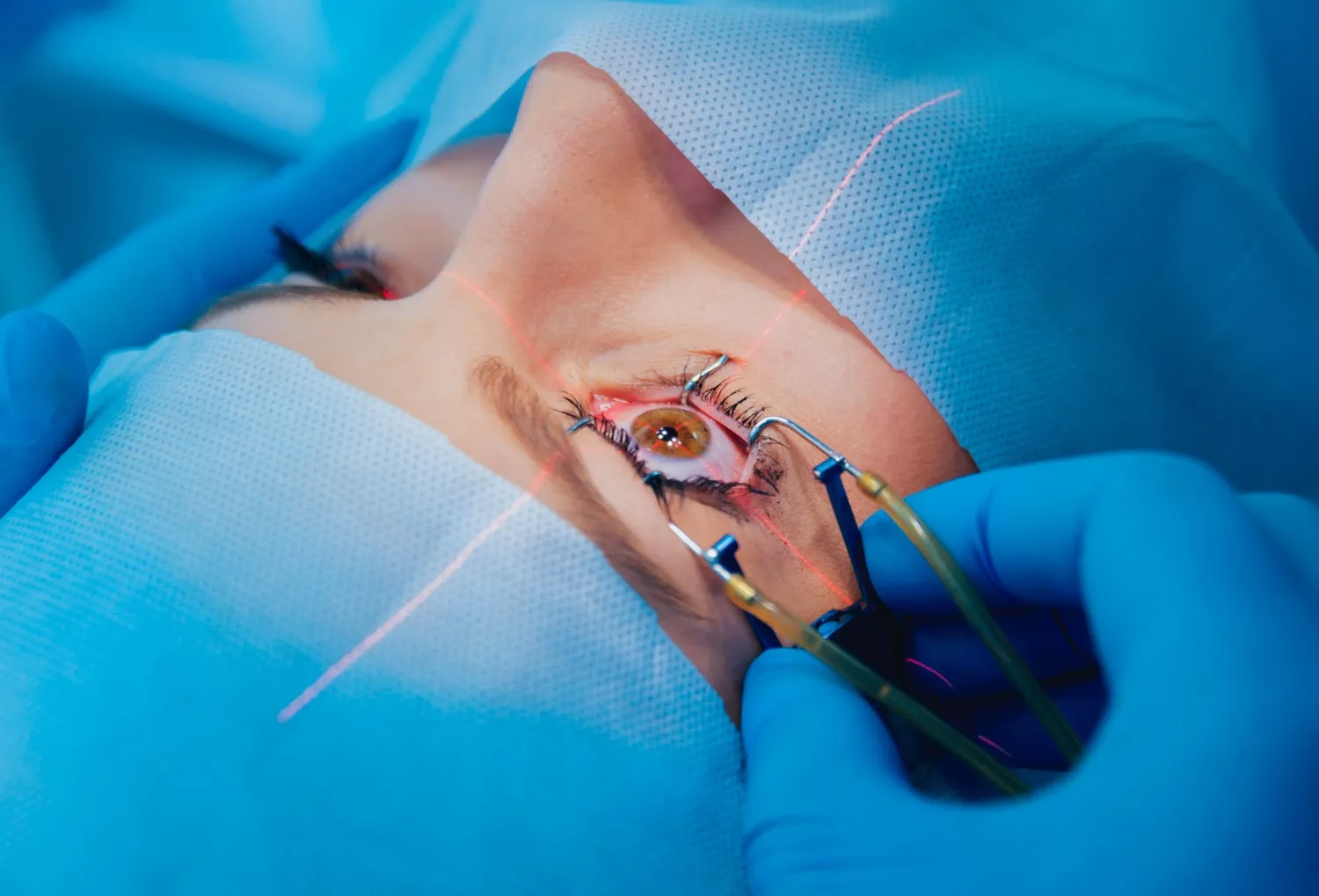
The retina is the light-sensitive tissue lining the back of the eye. It converts light into signals that travel through the optic nerve to the brain, making healthy retinal function essential for clear vision. Certain retinal conditions require more than medicines or routine observation, which is when retina surgery treatment may become relevant.
For patients in Zirakpur, Punjab, recognising the purpose of retinal surgery can make specialist recommendations easier to understand.
Conditions That Can Affect the Retina
Retinal disorders vary significantly in severity. Some can be monitored for long periods, while others may threaten vision quickly.
Conditions that may require specialist assessment include:
- Retinal detachment
- Retinal tears
- Vitreous haemorrhage
- Macular hole
- Epiretinal membrane
- Complications of diabetic eye disease
- Certain injuries affecting the back of the eye
Symptoms may include flashes of light, new floaters, distorted central vision, a shadow in the visual field or sudden reduction in eyesight.
Sudden symptoms deserve prompt assessment because some retinal problems are time-sensitive.
Why Retinal Detachment Requires Attention
A retinal detachment occurs when the retina separates from the tissue beneath it. This interferes with normal retinal function and can cause progressive loss of vision.
A patient may initially notice flashes, floaters or a curtain-like shadow moving across part of the visual field. These symptoms should not be ignored.
Treatment depends on the location and extent of the retinal problem. Early tears may sometimes be managed differently from an established detachment, making accurate diagnosis essential.
What Retina Surgery Is Designed to Achieve
The objective of retinal surgery depends on the underlying disease. Treatment may aim to reattach the retina, remove abnormal vitreous material, relieve traction or repair structural abnormalities affecting the macula.
Procedures used in retinal care can include vitrectomy and other surgical techniques selected according to the condition.
Vitrectomy involves removing some or all of the vitreous gel inside the eye so the surgeon can access and treat the retina. Depending on the procedure, gas, air or silicone oil may be used temporarily inside the eye.
What Happens Before Treatment
A detailed retinal examination is required before surgery is planned. The specialist may dilate the pupils to examine the back of the eye.
Imaging tests may also be required to understand the location and extent of disease.
Patients should provide information about:
- Diabetes
- Blood pressure
- Current medicines
- Previous eye procedures
- Blood-thinning medicines
- Existing medical conditions
These details help the medical team plan treatment appropriately.
Recovery Depends on the Procedure
Recovery after retinal surgery varies. Some patients may need to use prescribed eye drops and attend multiple follow-up appointments.
When a gas bubble is placed inside the eye, specific head positioning may sometimes be advised. Patients may also receive restrictions regarding air travel until the gas has been safely absorbed.
Instructions differ according to the procedure, so patients should follow the advice given by their treating specialist rather than relying on general recovery information.
When Should You Seek Retinal Assessment
Sudden visual changes should receive particular attention. Seek professional assessment for symptoms such as a sudden shower of floaters, flashing lights, rapid loss of vision or a dark curtain across the visual field.
Dr. Jyotis Hospital evaluates eye conditions for patients in Zirakpur who may require specialist retinal assessment. The appropriate treatment depends on examination findings rather than symptoms alone.
Retinal disease is a broad category, and surgery is not required in every case. Understanding the diagnosis, available treatment and expected follow-up allows patients to participate more confidently in decisions intended to preserve useful vision.
Keywords