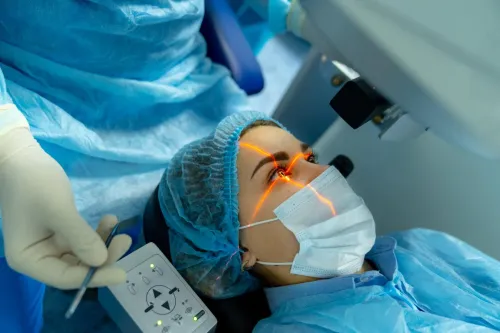

Retinal diseases can affect central vision, making everyday tasks such as reading, driving, and recognising faces increasingly difficult. While some retinal conditions can be managed with laser treatment or surgery, others respond well to injections for retina treatment. These specialised medicines are delivered directly into the eye to help control disease progression and preserve vision.
Although many patients feel anxious when they first hear the word 'eye injection,' the procedure is carefully performed under sterile conditions and usually takes only a few minutes. For people living in Mohali, understanding why retinal injections are recommended can reduce anxiety and encourage timely treatment.
Why Medication Needs to Reach the Retina Directly
The retina is located at the back of the eye, making it difficult for ordinary tablets or eye drops to reach it in sufficient amounts. Injecting medication directly into the eye allows the medicine to act where it is needed most.
These injections are commonly used to reduce:
- Retinal swelling
- Abnormal blood vessel growth
- Fluid leakage
- Inflammation affecting the retina
The treatment aims to stabilise vision and, in many cases, improve visual function.
Conditions That May Require Retinal Injections
Not every retinal disease requires injections. Your ophthalmologist recommends this treatment only after evaluating your retinal condition through detailed examination and imaging.
Retinal injections are frequently advised for:
- Diabetic macular edema
- Wet age-related macular degeneration
- Retinal vein occlusion
- Certain inflammatory retinal diseases
Each patient's treatment plan depends on the severity of the disease and their response to previous therapies.
Understanding the Treatment Process
Many people are surprised by how quick and comfortable the procedure is.
Before the injection:
- The eye is cleaned thoroughly.
- Numbing eye drops are applied.
- Sterile precautions are followed throughout the procedure.
During treatment:
- The medication is injected using a very fine needle.
- The injection takes only a few seconds.
- Most patients experience minimal discomfort.
- Vision is checked before leaving the hospital.
Your ophthalmologist will also explain any temporary precautions that should be followed after treatment.
Why Multiple Injections May Be Necessary
Retinal diseases are often chronic conditions rather than one-time illnesses. For this reason, treatment usually follows a carefully planned schedule rather than ending after a single injection.
Follow-up visits allow doctors to:
- Assess retinal healing
- Repeat OCT imaging if needed
- Decide whether another injection is required
- Modify treatment according to progress
- Monitor long-term retinal health
Every patient's treatment schedule is personalised based on clinical findings.
Common Questions Patients Ask
Patients often have concerns before beginning treatment.
Some frequently asked questions include:
- Will the injection be painful?
- How long does the procedure take?
- Can I return home the same day?
- Will my vision improve immediately?
- How many injections will I need?
Your ophthalmologist discusses these questions after evaluating your retinal condition, helping you understand the expected benefits and follow-up plan.
Timely Treatment Can Help Preserve Vision
Many retinal diseases worsen gradually if left untreated. Seeking medical advice at the earliest signs of blurred or distorted vision allows specialists to recommend appropriate treatment before permanent vision loss occurs.
For patients considering injections for retina treatment in Mohali, Dr. Jyotis Hospital provides comprehensive retinal assessment, advanced imaging, and personalised treatment plans based on each patient's eye condition. Patients can also learn more about retinal care and available services through drjyotihospital.org.
Keywords