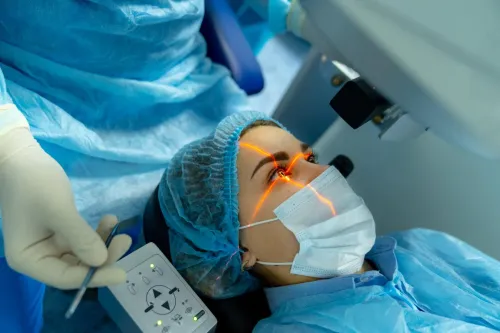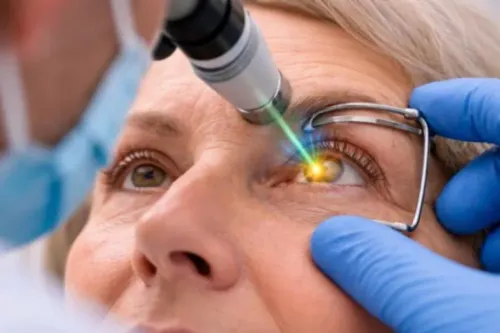
Cataracts are a common cause of gradually declining vision, particularly with increasing age. The condition develops when the natural lens inside the eye becomes cloudy, reducing the amount of clear light reaching the retina. Many people initially notice only subtle changes, which can make it difficult to decide when consultation with a cataract surgeon is appropriate.
For patients in Panchkula, Haryana, understanding the early signs of cataracts can help them seek an eye examination before visual difficulties begin interfering significantly with everyday activities.
Common Signs That May Indicate Cataracts
Cataracts generally develop gradually rather than causing an immediate loss of sight. Symptoms can vary depending on the location and density of the lens opacity.
Common changes include:
- Blurred vision that persists despite cleaning glasses
- Increased glare from headlights
- Difficulty seeing clearly at night
- Colours appearing duller than before
- Frequent changes in spectacle prescription
- Halos around bright lights
- Reduced contrast while reading
- Difficulty recognising distant objects
These symptoms are not exclusive to cataracts. Retinal disease, glaucoma and refractive errors may produce some similar complaints. A complete eye examination is therefore important before assuming that cataracts are responsible.
What Happens During a Cataract Assessment
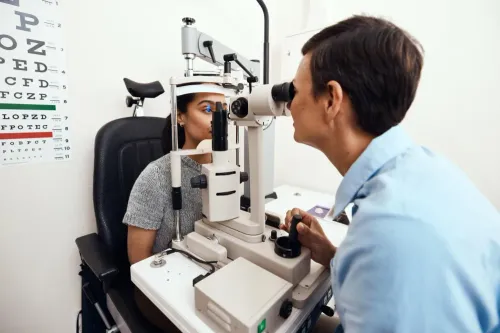
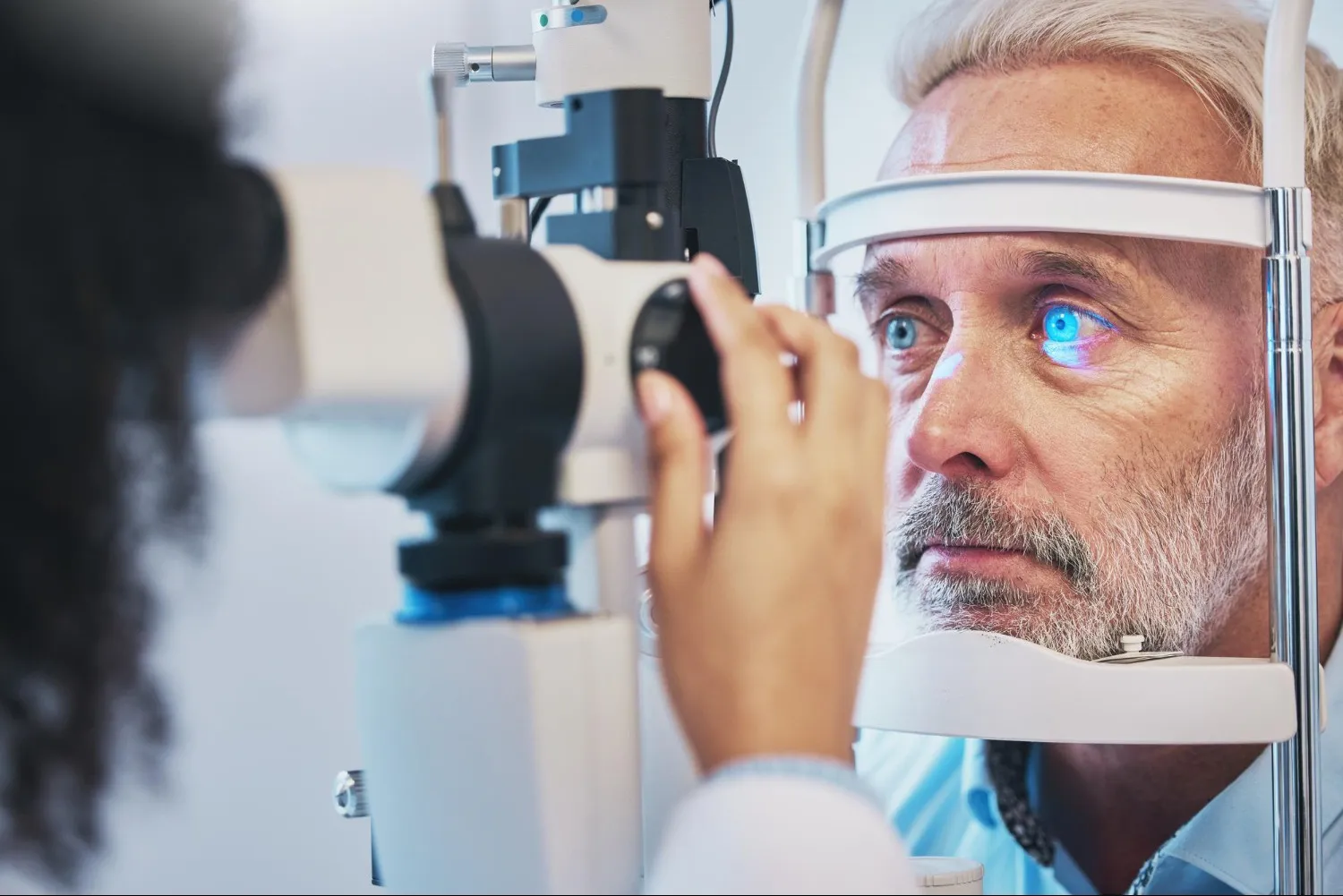
An eye specialist typically evaluates visual acuity and examines the structures of the eye. The lens is checked to determine whether clouding is present and how much it is affecting vision.
The examination may also include assessment of eye pressure, pupil response and retinal health. Additional investigations may be advised when another eye condition is suspected.
This broader assessment matters because cataract surgery addresses clouding of the natural lens, but it does not automatically correct vision loss caused by unrelated retinal or optic nerve conditions.
Does Every Cataract Need Immediate Surgery
No. The presence of a cataract does not necessarily mean that surgery must be performed immediately.
Early cataracts that cause minimal visual difficulty may simply be monitored. Updated spectacles, improved lighting and changes to daily routines can sometimes help during the early stages.
Surgery becomes more relevant when the cataract begins affecting practical activities such as reading, driving, working on screens, recognising faces or moving safely through unfamiliar surroundings.
The decision is therefore based on both clinical findings and the patient's functional needs.
Why Timing Should Be Individualised
Two people with similar cataracts may experience very different levels of inconvenience. Someone who drives frequently at night may notice glare much earlier than someone whose daily activities mainly take place indoors.
A consultation with a cataract surgeon helps determine whether current symptoms correspond with the degree of lens clouding and whether surgery is likely to provide meaningful improvement.
Patients should also mention existing conditions such as diabetes, previous eye surgery, glaucoma or retinal disease because these factors can influence treatment planning.
Preparing for an Eye Consultation
Before an appointment, it can be useful to note when the vision problem occurs and which activities have become difficult. Bring existing spectacles and information about current medicines.
Questions worth discussing include:
- How advanced is the cataract?
- Is another eye condition affecting vision?
- Is surgery necessary at the present stage?
- What type of artificial lens may be appropriate?
- What should be expected during recovery?
- How frequently should the eye be reviewed if surgery is postponed?
Dr. Jyotis Hospital provides eye consultations for patients seeking evaluation of cataract-related visual changes in Panchkula. A structured assessment helps determine whether symptoms can be monitored or whether surgical management deserves consideration.
Cataracts are usually manageable, but unexplained changes in vision should not simply be attributed to ageing. Timely evaluation helps identify the actual cause and supports an informed decision about the next stage of eye care.
Keywords