Cloudy vision is often dismissed as a normal part of ageing, but it can sometimes indicate the development of cataracts. Cataracts occur when the natural lens of the eye becomes cloudy, making everyday activities such as reading, driving, or recognising faces more difficult. While cataracts usually develop gradually, timely consultation with an experienced cataract surgeon can help restore clear vision and improve quality of life.
Many people delay treatment because they believe surgery is only necessary when vision becomes severely impaired. In reality, cataract treatment is recommended when the condition begins interfering with daily activities rather than waiting until vision deteriorates significantly. If you live in Mohali, understanding the early signs of cataracts can help you seek medical advice at the right time.
Understanding How Cataracts Affect Your Eyes
The lens inside your eye works like the lens of a camera, helping focus light onto the retina. As cataracts develop, this lens gradually becomes cloudy, preventing light from passing through clearly. The result is blurred or hazy vision that often worsens over time.
Cataracts usually develop slowly, so many people may not notice the changes immediately. Regular eye examinations play an important role in identifying cataracts before they begin affecting everyday life.
Signs That Shouldn't Be Ignored
Although cataracts progress differently for every individual, there are several common symptoms that should prompt an eye examination.
You may notice:
- Blurred or cloudy vision
- Difficulty reading small print
- Increased sensitivity to bright lights
- Poor night vision
- Frequent changes in spectacle prescription
- Colours appearing dull or faded
- Seeing halos around lights
If these symptoms begin affecting your routine, it is advisable to consult an ophthalmologist for a detailed evaluation.
Is Cataract Surgery the Only Treatment?
Unlike some eye conditions that can be managed with medication, cataracts cannot be reversed using eye drops or medicines. In the early stages, stronger glasses or improved lighting may temporarily improve vision. However, as the cataract progresses, surgery becomes the most effective treatment option.
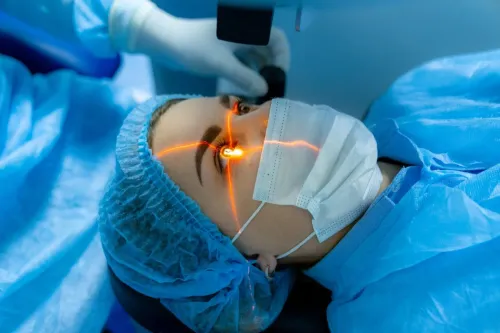
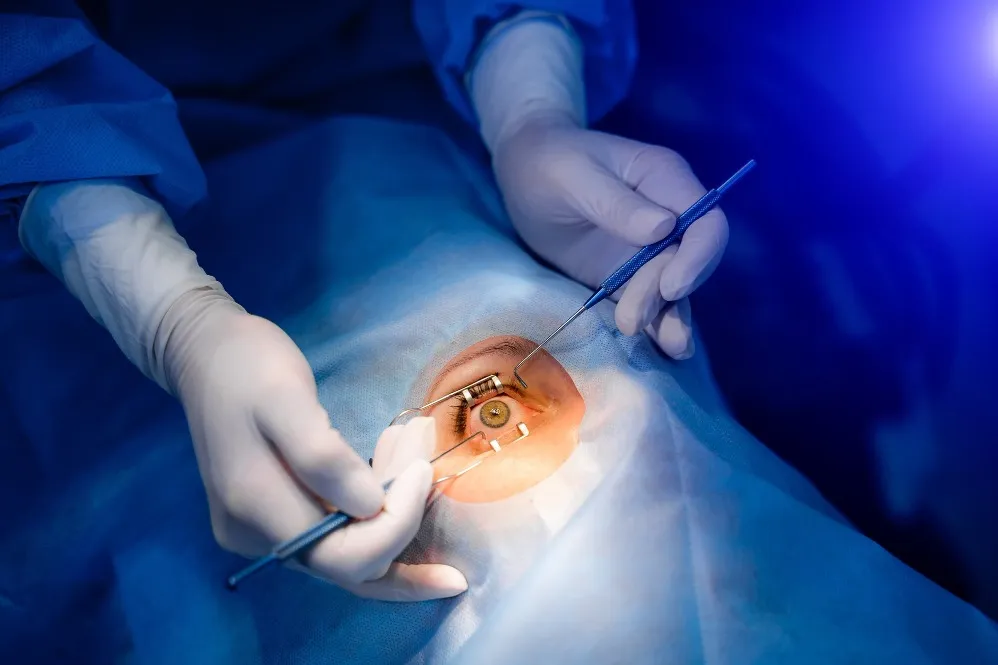
Modern cataract surgery involves removing the cloudy natural lens and replacing it with an artificial intraocular lens. The procedure is commonly performed as a day-care surgery and generally allows patients to return home on the same day after medical observation.
Your eye specialist will recommend surgery based on:
- Your vision quality
- Daily lifestyle requirements
- Eye health
- Presence of other eye diseases
- Overall medical condition
The decision is personalised rather than based solely on age.
What Happens Before the Procedure?
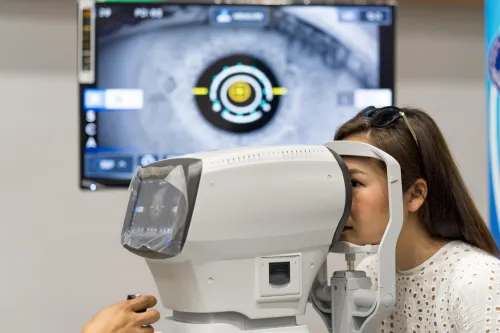
Before recommending surgery, your ophthalmologist performs a comprehensive eye examination to understand the condition of your eyes and select the most suitable treatment approach.
The evaluation may include:
- Visual acuity testing
- Eye pressure measurement
- Detailed retinal examination
- Corneal assessment
- Lens evaluation
- Biometry for intraocular lens calculation
These tests help ensure that surgery is carefully planned according to each patient's individual eye measurements.
Recovery After Cataract Surgery
Recovery is usually gradual, with many patients noticing clearer vision within a few days. Complete healing may take several weeks depending on individual health and the condition of the eye.
Doctors generally advise patients to:
- Use prescribed eye drops regularly
- Avoid rubbing the operated eye
- Protect the eye from dust and water
- Attend scheduled follow-up appointments
- Resume daily activities only as advised by the ophthalmologist
Following these recommendations supports smooth healing and reduces the risk of complications.
Choosing an Experienced Cataract Surgeon
Selecting the right surgeon is an important part of successful cataract treatment. Rather than focusing only on the procedure itself, patients should consider the overall quality of care provided before, during, and after surgery.
When evaluating an eye care provider, look for:
- Experienced ophthalmologists performing cataract procedures
- Advanced diagnostic facilities
- Modern surgical technology
- Transparent discussion of treatment options
- Well-structured follow-up care
A hospital that combines these elements helps patients feel informed and supported throughout their treatment journey.
Clear Vision Begins with Timely Care
Cataracts are one of the most common causes of vision impairment, but they are also one of the most effectively treatable eye conditions when managed at the right time. Ignoring symptoms can make everyday activities increasingly difficult, while early consultation allows your ophthalmologist to recommend the most appropriate course of action.
For people looking for experienced cataract surgeon services in Mohali, Dr. Jyotis Hospital offers comprehensive eye evaluations, modern diagnostic facilities, and personalized treatment planning. Patients can also visit drjyotihospital.org to learn more about cataract care and understand when professional evaluation may be beneficial.
Keywords