The right time for cataract surgery depends on how much your vision limits reading, driving, work, night vision, and independence—not on a single eye-chart score. By comparing your eye health, lens options, surgeon, facility, costs, and follow-up plan, you can judge whether a phaco service fits your needs.
Key takeaways
- Choose surgery when cataracts disrupt daily activities, not at a fixed vision number.
- Compare lens types with your reading, driving, work, and spectacle preferences.
- Request an itemised fee covering the surgeon, facility, lens, medicines, and follow-up.
- Confirm emergency contacts, complication plans, and postoperative review dates before booking.
When Is Cataract Surgery the Right Choice for You?
The right time for surgery is when cataract-related vision loss interferes with life, not when you reach a fixed visual-acuity number. Ask when to have cataract surgery if reading, driving at night, recognising faces, working safely, managing household tasks, or staying independent has become difficult.
Monitoring remains reasonable when these activities are comfortable and the ophthalmologist expects little immediate benefit.
Cataract surgery suitability is confirmed through an assessment that includes:
- Visual-acuity testing and a slit-lamp examination to measure vision and inspect the cornea, lens, and other front-of-eye structures.
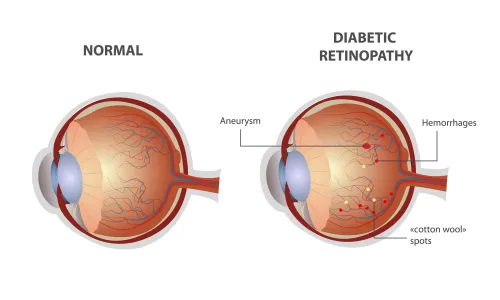
- Intraocular-pressure measurement and a dilated retinal examination to check for glaucoma, optic-nerve disease, diabetic retinopathy, retinal disease, or macular edema.
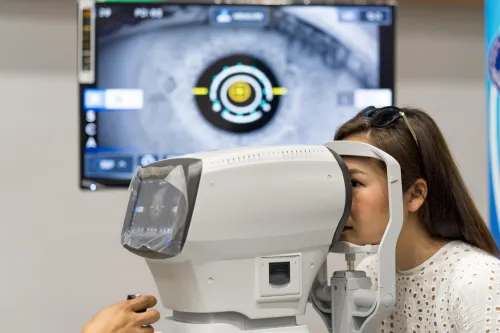
- Corneal measurements and optical biometry to calculate intraocular-lens power. Ultrasound biometry may be needed when a dense cataract prevents reliable optical readings; macular or retinal assessment is added when indicated.
A technically successful operation cannot remove every cause of poor vision. Macular degeneration, glaucoma, diabetic retinopathy or macular edema, optic-nerve disease, corneal disease, dry eye, amblyopia, and irregular astigmatism can limit the result.
Tell the ophthalmologist about diabetes and any previous LASIK, PRK, or radial keratotomy before measurements and prognosis are discussed, because these conditions can make the predicted prescription less certain.
What Happens During Phaco Surgery and How Should You Prepare?
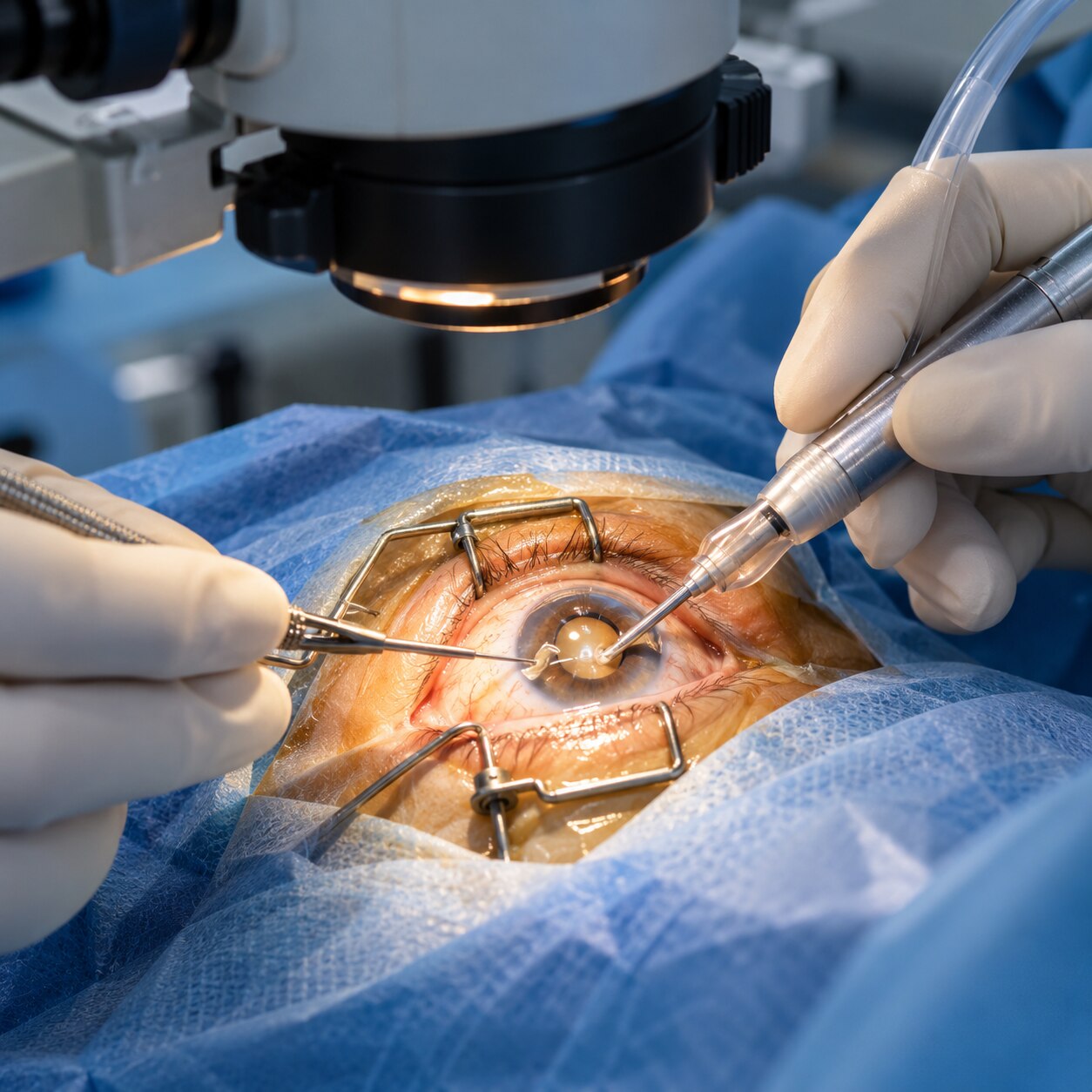
A phacoemulsification procedure removes the cloudy natural lens through a small corneal incision. The surgeon uses an ultrasound handpiece to break the lens into fragments, aspirates them, and places an intraocular lens inside the eye.
This is not simply laser cataract surgery. Ultrasound cataract surgery is commonly performed as an outpatient procedure with topical anaesthesia or another local anaesthesia technique, so you remain awake while the eye is numbed.
On the day of surgery:
- Give the team an updated list of every prescription medicine, over-the-counter product, and supplement you use, including doses.
- Review diabetes medicines with the surgical team because fasting and reduced food intake can change your usual plan.
- Ask specifically about warfarin, apixaban, aspirin, clopidogrel, or another prescribed anticoagulant or antiplatelet medicine. Do not stop any blood thinner independently; the plan depends on the drug, anaesthesia technique, bleeding risk, and reason for treatment.
- Follow the team’s exact instructions for fasting and prescribed eye drops. There is no universal fasting rule for every cataract operation.
- Arrange an adult to take you home, and do not drive after surgery. Bring sunglasses if light sensitivity is expected.
Wear clean, comfortable clothing and avoid eye makeup unless the facility gives different instructions. Use only the drops and medicines approved for you, and confirm whom to call if pain or vision changes after discharge.
Which Intraocular Lens Matches Your Eyes and Daily Priorities?
The best IOL is the one that fits your eye, work, driving habits, and tolerance for glasses—not necessarily the newest or most expensive option.
| Option | Main target | Benefits and trade-offs |
|---|---|---|
| Monofocal IOL | One distance, commonly far vision | Clear focus at the chosen distance; reading or computer glasses usually remain necessary |
| Toric IOL | Distance vision with correction for regular corneal astigmatism | Can reduce distance blur; does not correct irregular astigmatism, unstable dry eye, inaccurate axis measurements, or blur from postoperative rotation |
| Multifocal IOL | Near, intermediate, and distance vision | Greater spectacle independence; halos, glare, reduced contrast, and night-vision disturbances are possible |
| Extended-depth-of-focus lens | Extended range, especially distance to intermediate | Fewer glasses for computer work and some daily tasks; near glasses, halos, glare, or reduced contrast can still occur |
A toric IOL cannot fix blur caused by severe ocular-surface disease or residual astigmatism. Multifocal and extended-depth-of-focus lenses deserve caution with macular disease, glaucoma, diabetic retinal disease, corneal problems, or poor contrast sensitivity; these conditions can limit the result.
Optical biometry is preferred when reliable. A dense cataract can block the measurement, making ultrasound biometry necessary. Previous LASIK, PRK, or radial keratotomy, unusual eye length, inaccurate readings, or an unstable tear film makes the predicted prescription less certain. Ask how your occupation, night driving, retinal health, and willingness to wear glasses affect the recommendation.
How Should You Compare the Surgeon, Facility, and Total Fee?
The best phaco surgeon for you is one experienced with your specific risks, including difficult biometry, previous LASIK, diabetic retinal disease, glaucoma, or macular disease. Ask how the team detects and treats posterior-capsule rupture, infection inside the eye, pressure elevation, corneal edema, cystoid macular edema, and lens-position problems.
| Comparison | What to verify | Why it matters |
|---|---|---|
| Surgeon | Relevant case experience, retinal assessment, complication plan | Other eye disease can limit vision even after a technically successful operation |
| Cataract surgery facility | Optical biometry, ultrasound biometry when needed, sterile preparation, anaesthesia plan, named postoperative clinician | Poor measurements or weak follow-up can produce an unexpected prescription or delayed treatment |
| Total fee | Exact lens brand and model, surgeon and facility fees, anaesthesia, medicines, tests, visits, enhancement or complication care | The advertised price may exclude essential treatment |
Use this checklist before booking:
- Ask which optical biometry equipment is used and when ultrasound measurements would replace it.
- Ask who examines you after surgery and who manages urgent problems outside clinic hours.
- Request the cataract surgery cost inclusions in writing, including every follow-up visit and complication-related care.
- Confirm the anaesthesia method and the separate fee, if any.
- Ask whether the quoted lens is monofocal, toric, multifocal, or extended-depth-of-focus, and record its exact brand and model.
Dr. Jyoti's Hospital may help when eye assessment must coordinate with diabetic, medical, or other specialist care, but verify the named surgeon, equipment, inclusions, and after-hours responsibility rather than choosing by facility name alone.
Related service
Eye Care Cataract Treatment in Zirakpur Dr Jyoti Hospital offers advanced cataract treatment in Zirakpur with expert consultation and modern diagnostic support. View service → |
Which Questions and Safety Plans Should You Confirm Before Booking?
Before booking, get specific answers rather than a promise of “perfect vision.” Ask:
- What vision target will you set, and which intraocular lens do you recommend for me—and why?
- How likely are reading or computer glasses after surgery?
- How will you measure and treat my astigmatism?
- Which eye drops and medicines will I use, for how long, and who will adjust them?
- What does the total fee include: lens, surgeon, facility, anaesthesia, medicines, tests, follow-up, and complication care?
- Who answers urgent calls after hours?
- When should the second eye be treated?
If immediate sequential bilateral surgery is offered, confirm separate sterile preparation for each eye, independent IOL calculations, and the plan if one eye has an unexpected refractive or surgical problem.
Ask how phaco surgery risks such as infection, pressure elevation, retinal detachment, cystoid macular edema, corneal swelling, capsule rupture, or lens-position problems are detected and treated.
| Expected early symptoms | Seek urgent ophthalmic assessment |
|---|---|
| Mild watering, foreign-body sensation, light sensitivity, or blurred vision | New or worsening pain, marked redness, rapidly reduced vision, increasing light sensitivity, or a sudden increase in floaters or flashes |
A cloudy capsule months or years later is posterior capsule opacification, not a cataract returning. It is treated separately with YAG laser capsulotomy, which has its own risks. Routine postoperative cataract care and follow-up are part of treatment, not optional extras. Do not stop anticoagulants or antiplatelet medicines without the prescribing clinician’s plan.
Frequently asked questions
When is cataract surgery the right choice?
Cataract surgery is appropriate when vision loss interferes with reading, night driving, recognising faces, work, household tasks, or independence. The decision depends on your daily difficulties, eye examination, and discussion with an ophthalmologist rather than one fixed visual-acuity number.
What happens during phaco surgery, and how should you prepare?
During phacoemulsification, the surgeon uses a small incision, breaks the cloudy lens with ultrasound, removes it, and places an intraocular lens. Ask which medicines to continue or stop, arrange transport, follow fasting instructions if given, and bring your medical and eye-care records.
How do you choose an intraocular lens for cataract surgery?
Match the lens to your eye measurements and priorities, including distance vision, reading, night driving, computer work, astigmatism, and willingness to wear glasses. Ask about expected glasses use, glare or halos, and whether an alternative lens suits your eyes.
How should you compare cataract surgeons, facilities, and total fees?
Compare the surgeon’s cataract experience, examination process, equipment, infection-control practices, facility support, lens brand and model, and follow-up arrangements. Request an itemised quote that includes the surgeon, operating room, intraocular lens, medicines, tests, and postoperative visits.
Which safety questions should you ask before booking phaco surgery?
Ask about your diagnosis, expected benefit, possible complications, backup arrangements, emergency contact, anaesthesia, recovery restrictions, warning symptoms, and review schedule. Confirm who will manage problems after surgery and when you should seek urgent care.